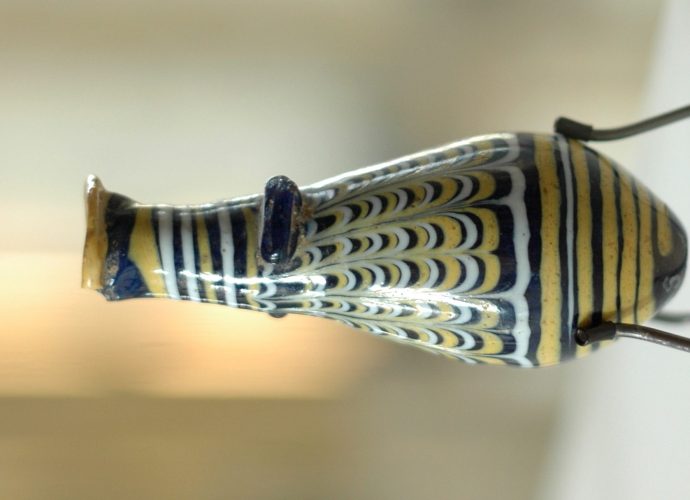
The Alabastron: A Dual-purpose Vessel of Ancient Greece
The alabastron is a small, elegantly designed ancient Greek vessel for holding ointments and perfumes, reflecting both practicality and artistic excellence in daily life and rituals.Read More →
January 31, 2025

The Decorative Arts Dictionary is a comprehensive guide that covers 150 years of the decorative and applied arts. These articles provide an in-depth exploration of the evolution of decorative arts from the mid-19th century to the present day. It covers various topics, including furniture, ceramics, glassware, textiles, metalwork, and jewellery.
It offers a fascinating insight into how art movements have influenced decorative arts over time and how they continue to shape contemporary design today. Whether you are a collector, designer, or art enthusiast, these articles will surely provide you with a wealth of knowledge on this fascinating subject.
The alabastron is a small, elegantly designed ancient Greek vessel for holding ointments and perfumes, reflecting both practicality and artistic excellence in daily life and rituals.Read More →
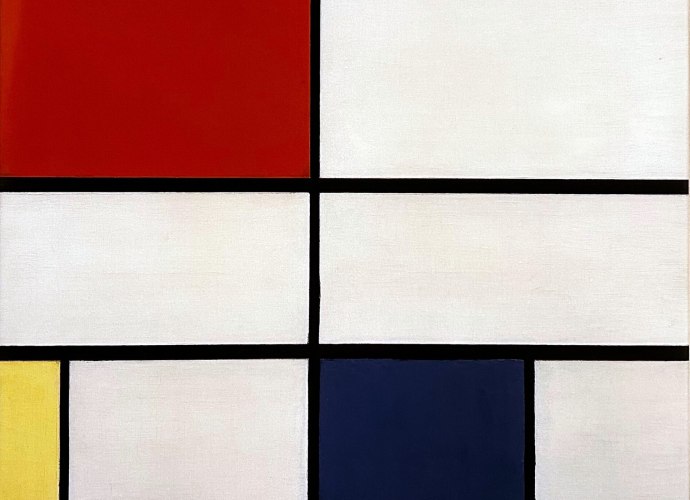
Neoplasticism, founded by Piet Mondrian and Theo van Doesburg in 1917, sought universal visual language through geometric abstraction, primary colors, and a minimalist aesthetic, influencing modern design.Read More →
Chiaroscuro, originating during the Renaissance, emphasizes light and shadow to enhance depth across various artistic fields, influencing aesthetics, mood, and spatial awareness.Read More →
Snuff boxes, once status symbols crafted from luxurious materials, evolved into decorative art pieces, reflecting cultural values and personal identity, despite declining popularity by the late 19th century.Read More →
Nieuwe Kunst, a Dutch Art Nouveau movement, emphasized geometric patterns, functionality, and the merging of fine arts with practicality, influencing later design movements like De Stijl.Read More →
Brocade is an intricate fabric with a rich history, originating in ancient China and evolving through cultures, known for luxury, complex patterns, and modern applications in fashion.Read More →
The design world embraces innovative concepts like critical design, inclusive design, and resonant design, emphasizing thoughtful questioning, user participation, and addressing diverse needs among all populations.Read More →
Werner’s Nomenclature of Colours, published in 1814, standardized colour classification using nature, influencing 19th-century science and art, and paving the way for modern colour systems.Read More →
Chintz fabric, originating in 16th-century India, has profoundly impacted decorative arts and fashion, known for its vibrant patterns and resurgence in modern design trends.Read More →
The Amish Roll Top Desk features tambour doors, which are flexible wooden slats allowing seamless concealment of storage, optimizing space while enhancing aesthetic appeal in furniture design.Read More →