
Shoemaker of Dreams: The Autobiography of Salvatore Ferragamo
2026-07-02
Shoemaker of Dreams: The Autobiography of Salvatore Ferragamo
By Salvatore FerragamoRead More →
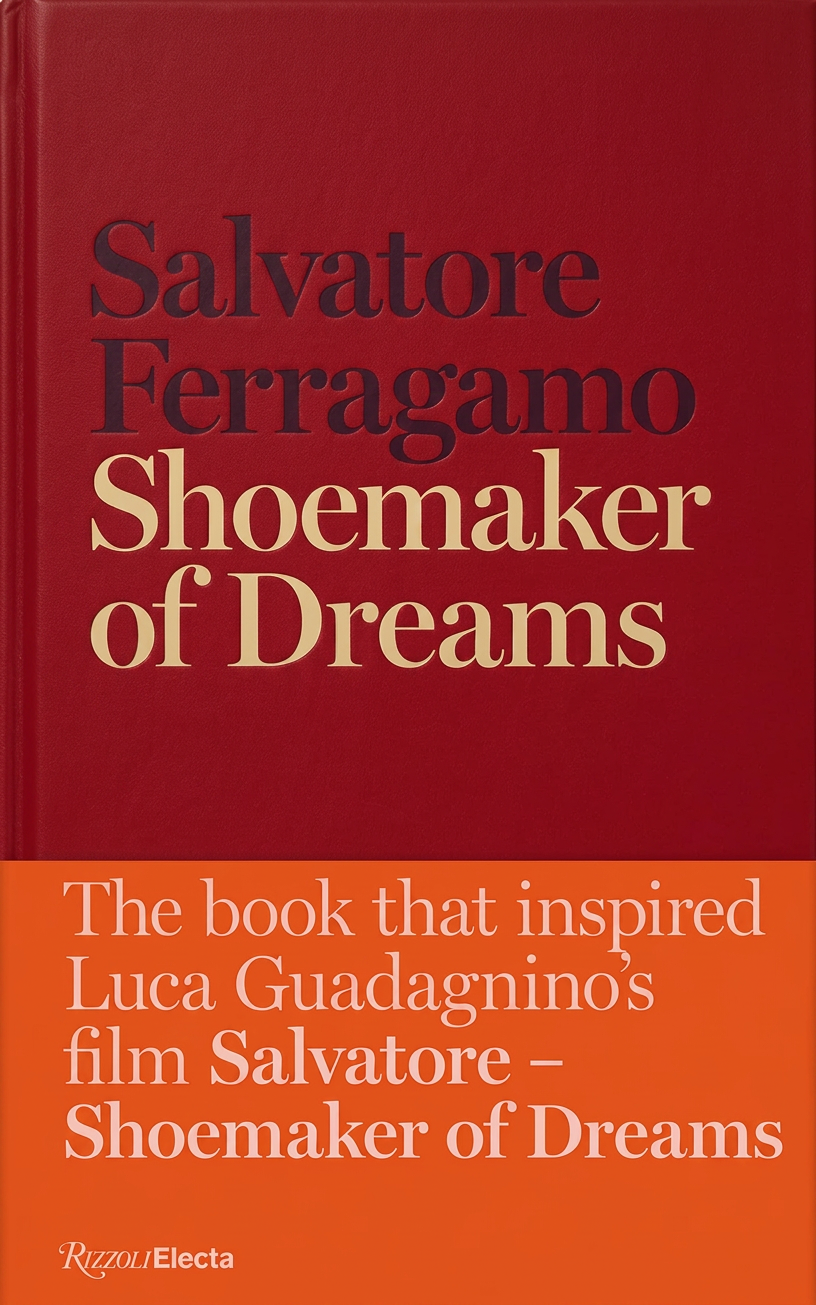
Shoemaker of Dreams: The Autobiography of Salvatore Ferragamo offers a first-person account of one of the most influential figures in twentieth-century fashion design. From his beginnings as a village shoemaker in southern Italy to his rise as the celebrated “shoemaker to the stars,” Salvatore Ferragamo’s autobiography traces a career built on craft, anatomical study, technical invention, and an unusually modern belief: beautiful shoes should not damage the feet that wear them.
This updated edition presents Ferragamo not simply as a luxury fashion founder, but as a designer-engineer whose reputation emerged from the meeting point of handcraft, cinema glamour, and ergonomic problem-solving. Retail listings describe the volume as a completely updated edition of Ferragamo’s autobiography, with anecdotes involving Hollywood figures including Rudolph Valentino, Mary Pickford, Pola Negri, Joan Crawford, Greta Garbo, Marilyn Monroe, Sophia Loren, Audrey Hepburn, and others. View Shoemaker of Dreams by Salvatore Ferragamo.
Ferragamo’s life story is unusually important for design history because it places the shoe at the centre of a broader debate about beauty, utility, comfort, and modern identity. In his own words, the “least important part” of the book is the life story of an Italian shoemaker. The larger subject is vocation: the disciplined pursuit of a perfect shoe. That distinction matters. Ferragamo understood footwear not as surface decoration, but as an object in direct relationship with the body.
His philosophy anticipated later ergonomic thinking. Rather than forcing the foot into fashionable distortion, Ferragamo argued that design should respect the natural structure of the human body. This idea shaped his technical experiments and his reputation among performers, for whom shoes had to project glamour while surviving the physical demands of stage, studio, and public appearance.
Ferragamo’s Hollywood years gave his work an extraordinary cultural reach. The book’s appeal lies partly in its parade of film-world encounters, but these anecdotes are more than celebrity decoration. They show how cinema helped transform footwear into an object of fantasy, performance, and personal branding. For stars such as Greta Garbo, Joan Crawford, and Mary Pickford, shoes were not merely accessories. They formed part of a crafted public image.
At the same time, Ferragamo’s work retained the discipline of the workshop. His most significant designs emerged from close attention to structure, balance, material behaviour, and the arch of the foot. The Ferragamo Foundation notes his development of the cork wedge, patented in 1937, and his experiments with materials such as hemp, felt, fish skin, and cellophane when conventional luxury materials became difficult to obtain. The Metropolitan Museum of Art also holds a 1938 pair of Ferragamo sandals made from leather and cork, confirming the importance of these materials within his design practice. :contentReference[oaicite:0]{index=0}
This autobiography is valuable because it presents fashion design from the maker’s perspective. Ferragamo writes about ambition, failure, experimentation, and the ethics of craft. He also gives readers a rare account of how a designer thinks through the relationship between form and comfort. For students of fashion design, product design, and material culture, the book demonstrates that luxury is not only a question of rare materials or social prestige. It can also be a question of precision, fit, proportion, and respect for the body.
In this sense, Ferragamo sits comfortably beside other major figures in modern design who treated function as a source of elegance. His shoes were glamorous, but their glamour depended on engineering. The wedge heel, the structured arch, and the experimental use of cork show a designer prepared to solve practical problems through material intelligence.
The central lesson of Ferragamo’s autobiography is that fashion can be both theatrical and humane. His statement that “Nature gives us perfect feet” remains one of the clearest summaries of his design philosophy. It rejects the idea that beauty requires suffering. Instead, it frames the shoe as a designed interface between body, movement, and social presentation.
For encyclopedia.design readers, this makes Shoemaker of Dreams especially relevant. It connects fashion design with industrial design, anatomy, Hollywood visual culture, Italian craftsmanship, and twentieth-century luxury branding. It is also a useful companion to broader study of Coco Chanel, Paul Poiret, and the emergence of modern fashion as a design discipline rather than simply a seasonal trade.
Read Shoemaker of Dreams: The Autobiography of Salvatore Ferragamo — a richly detailed account of craft, Hollywood glamour, comfort, and the making of a global Italian fashion house.
Disclosure: As an Amazon Associate, encyclopedia.design may earn from qualifying purchases.
By Salvatore FerragamoRead More →

Victionary’s monograph, “Stockholm Design Lab: 1998–2025,” explores the agency’s identity systems, design philosophy, and creative processes, showcasing contemporary Scandinavian design’s significance and accessibility.Read More →

The Braun BN0211 Classic Slim Quartz watch exemplifies minimalist design with a black dial, Milanese mesh strap, balancing functionality, legibility, and understated elegance.Read More →

The photograph transforms an urban scene by merging human form and structure, showcasing colour’s role in enhancing visual rhythm and spatial interaction in contemporary art.Read More →

Martí Guixé is a Catalan designer who challenges traditional design boundaries, focusing on product systems, food design, and user participation, while critiquing consumption culture.Read More →

A large blackwork tattoo merges art and identity, transforming the body into a dynamic canvas while reflecting personal expression and cultural significance in contemporary practices.Read More →

The Discocó pendant lamp by Christophe Mathieu blends sculptural form with functional lighting, featuring layered discs that create a captivating interplay of light, shadow, and atmosphere.Read More →

A curated directory of 100 important furniture, lighting, seating and accessories companies, from modernist design houses to contemporary manufacturers and homeware brands.Read More →

The 1933 Lucky Strike advertisement exemplifies how fashion illustration and design established glamour and sophistication, linking the cigarette brand to modern femininity while normalising harmful products.Read More →

The 1965 Chevrolet Chevy II wagon combined practicality, spaciousness, and style, appealing to suburban families with its functional design, durability, and modern aesthetics.Read More →