This article forms part of the Decorative and Applied Arts Encyclopedia, a master reference hub providing a structured overview of design history, materials, movements, and practitioners.

Carlo Scarpa: A Synthesis of Material, Craft, and Space
Carlo Scarpa, born in Venice on June 2, 1906, stands out as a figure whose work transcends the conventional boundaries of architecture and design. His creations, deeply rooted in the rich tapestry of Venetian culture and history, as well as the minimalist aesthetics of Japanese design, showcase a profound understanding and innovative use of materials. Scarpa’s architectural journey is a testament to his belief in the harmonious blend of traditional craftsmanship with modern techniques, creating spaces that are both timeless and evocative.

Biographical Glimpse
Scarpa’s early life was marked by a series of relocations and personal tragedies, including the loss of his mother at a young age. These experiences, however, did not deter his educational pursuits. He excelled at the Academy of Fine Arts in Venice. There, he honed his architectural vision. Despite his refusal to conform to post-World War II professional certification requirements in Italy, Scarpa’s expertise was undeniable, earning him the title of “Professor” among peers and clients alike.
Architectural Philosophy
Scarpa’s architectural works, characterized by their sensitivity to the passage of time and context, reflect a deep engagement with the sensory qualities of materials. These works show his dedication to the sensory qualities of materials. His projects range from the iconic Castelvecchio Museum stairs to the contemplative spaces of the Brion Sanctuary. They exemplify his ability to create dialogue between the old and the new. He bridges the gap between nature and architecture.

Design Innovations
In his design career, Scarpa’s collaborations with Murano glassmakers and furniture manufacturers like Gavina and Simon showcase his versatility and forward-thinking approach to industrial design. His works, such as the Doge table and the Cornaro sofa, are celebrated for their exquisite craftsmanship and innovative design principles.
Influential Works and Legacy
Scarpa’s notable projects, including the Gallerie dell’Accademia in Venice and the meticulous renovation of the Museo di Castelvecchio in Verona, highlight his unique approach to museum spaces. His attention to detail, integration of natural light, and emphasis on enhancing the viewer’s experience have left an indelible mark on the field of museography.
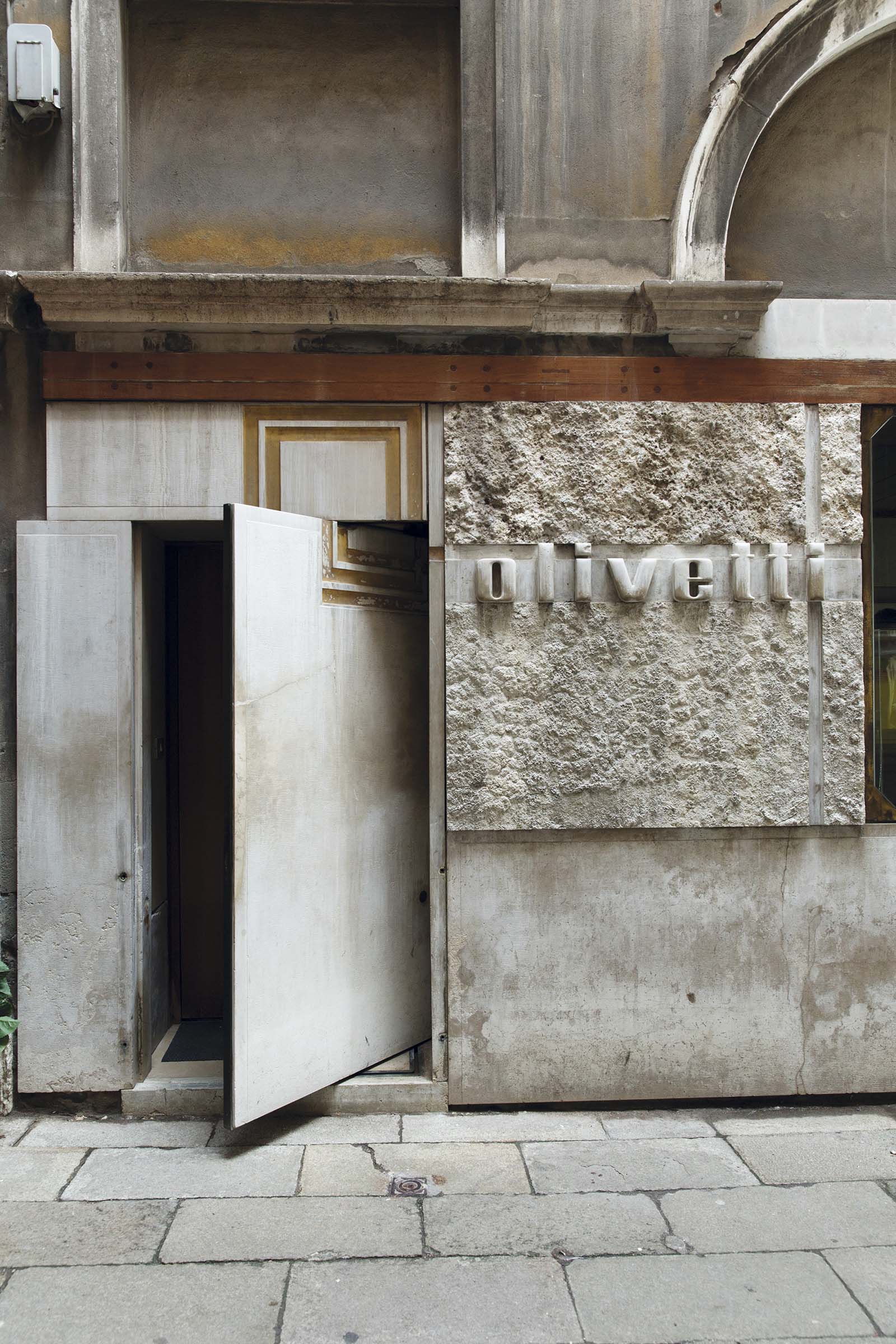
Preserving Scarpa’s Vision
Today, the challenges of preserving and appreciating Scarpa’s innovative museum displays are compounded by changing trends in museum practices. His designs aimed to make art accessible. They sought to make it engaging. These designs remind us of the importance of creating meaningful spaces. Such spaces educate and inspire.
A Design Philosophy for the Ages
Scarpa’s interdisciplinary approach, combining architectural history, craftsmanship, and design theory, continues to influence and inspire. His work exemplifies the principles of balance, contrast, and unity. It encourages us to explore the depth and variety of design in our surroundings.
Conclusion
Carlo Scarpa’s legacy is a beacon for those who seek to understand the profound connections between material, light, and space. His work challenges us to consider the enduring impact of thoughtful design on our experiences of the built environment.
Sources
Architectural Review. (Year, Month Day). Carlo Scarpa (1906–1978) – Architectural Review. https://www.architectural-review.com/essays/reputations/carlo-scarpa-1906-1978
Byars, M., & Riley, T. (2004). The design encyclopedia. Laurence King Publishing. https://amzn.to/3ElmSlL
Carlo Scarpa. (2024, January 31). In Wikipedia. https://en.wikipedia.org/wiki/Carlo_Scarpa
Stott, R. (2019, June 2). Spotlight: Carlo Scarpa. ArchDaily. https://www.archdaily.com/638534/spotlight-carlo-scarpa
More on Design Philosophy

Wolfgang Hoffmann (1900–1969) | Austrian Modernist Designer
Wolfgang Hoffmann, an Austrian-born designer, significantly influenced 1930s American modernism through architecture, furniture, and lighting, blending European functionalism with local…
Keep reading
Essential Reading in Applied & Decorative Arts
The post presents a curated reading list on applied and decorative arts, emphasizing foundational texts that offer scholarly insights and…
Keep reading
Paolo Pininfarina: Design Leadership, Legacy, and the Modern Evolution of Italian Industrial Design
Paolo Pininfarina transformed Pininfarina from a traditional automotive firm into a multidisciplinary design consultancy, emphasizing sustainable practices and collaborative design…
Keep readingSomething went wrong. Please refresh the page and/or try again.
Discover more from Encyclopedia of Design
Subscribe to get the latest posts sent to your email.