James “Leslie” Gardner (1907–1995) was a distinguished British industrial designer renowned for his innovative exhibition and museum design contributions. His career, from the early 20th century through the post-war era, significantly influenced the presentation of industrial and cultural exhibits in Britain and internationally.

Early Life and Education
Born on December 29, 1907, in Hendon, London, Gardner attended Westminster School of Art, where he studied under E. McKnight Kauffer. In 1923, he began an apprenticeship with Cartier in Bond Street, London, until 1929. The 1930s saw Gardner travelling extensively, experiences that enriched his design perspective. Upon returning to London, he joined Carlton Studios, a leading commercial design consultancy, undertaking advertising commissions for clients such as Shell-Mex. (University of Brighton Design Archives)
Embed from Getty ImagesWorld War II Contributions
Gardner served as Chief Deception Officer in the Army Camouflage Unit during World War II. He developed deceptive strategies, including inflatable dummy tanks and landing craft, to mislead enemy forces about British military capabilities. Additionally, he worked as an illustrator for the Ministry of Information and authored three non-fiction children’s books for Puffin Picture Books in the 1940s. (Wikipedia)
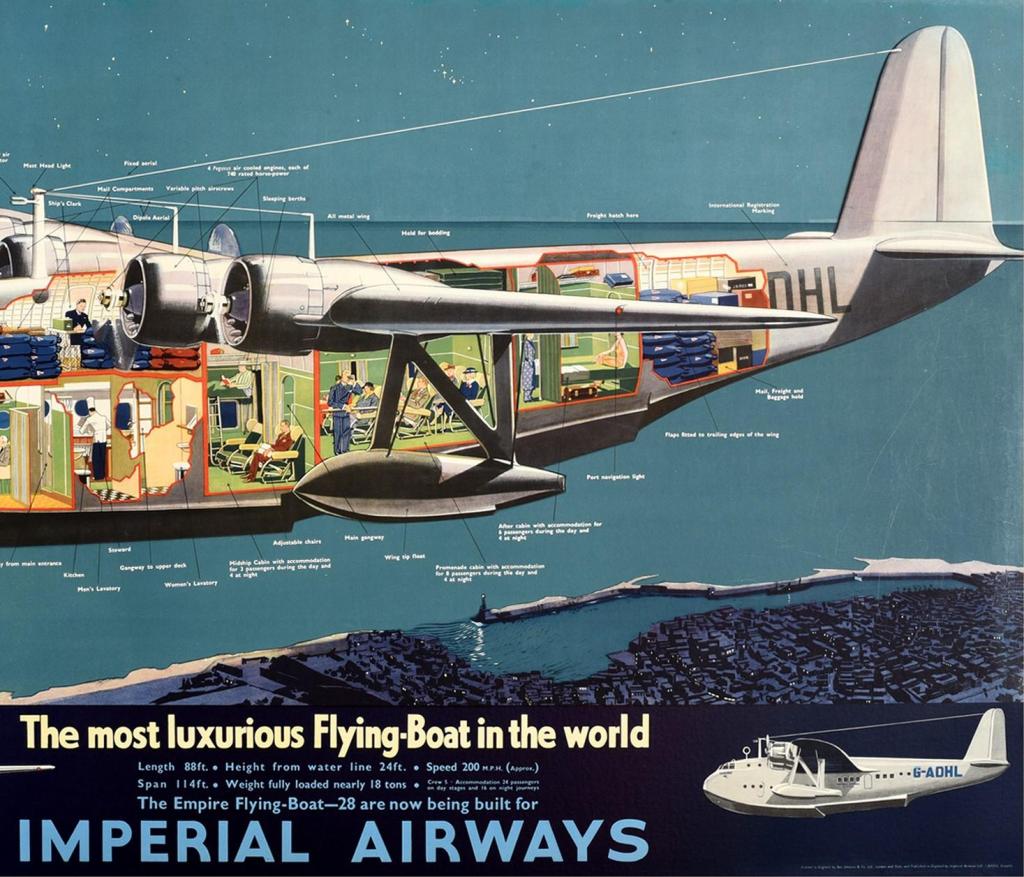
Post-War Exhibition Design
Significant exhibition design projects marked Gardner’s post-war career. In 1946, he was the Chief Designer for the “Britain Can Make It” exhibition, showcasing British industrial and product design. He continued with the “Enterprise Scotland” exhibition in 1947. He was pivotal in the 1951 Festival of Britain, designing displays for the “People of Britain” section and the Battersea Park Pleasure Gardens. (University of Brighton Design Archives)
His exhibition designs often provided “quirky reinterpretations of people’s expectations,” as seen in his work for the British government pavilion at the 1958 Brussels World Fair and the British contribution to Expo 67 in Montreal. (University of Brighton Design Archives)
Museum Design and Other Works
Gardner’s expertise extended to museum design, where he created engaging and educational displays. Notable projects include the Pilkington Glass Museum (1965), the Evoluon Museum for Philips in Eindhoven (1966), and the “Story of the Earth” display for the Geological Museum in London (1972), which was acclaimed as a significant breakthrough in science museum design. (Wikipedia)
He also ventured into industrial design, contributing to the superstructure and interior design of the ocean liner QE2, described as having a “sleek and purposeful” look akin to a “very big yacht.” (Wikipedia)
Legacy and Recognition
Gardner was appointed an Officer of the Order of the British Empire (OBE) in 1947 and was elected a Royal Designer for Industry (RDI) the same year. In 1989, he received the Chartered Society of Designers Medal for outstanding achievement in industrial design. (Wikipedia)
His autobiography, “Elephants in the Attic,” was published in 1983, offering insights into his career and design philosophy. (University of Brighton Design Archives)
James Gardner’s innovative approach to design, particularly in exhibitions and museums, left a lasting impact on how audiences engage with industrial and cultural displays. His work exemplified the principles of balance, contrast, and emphasis, creating harmonious and engaging environments that educated and inspired the public.
For a deeper exploration of James Gardner’s contributions to design, consider visiting the University of Brighton Design Archives, which houses his extensive archive. (University of Brighton Design Archives)