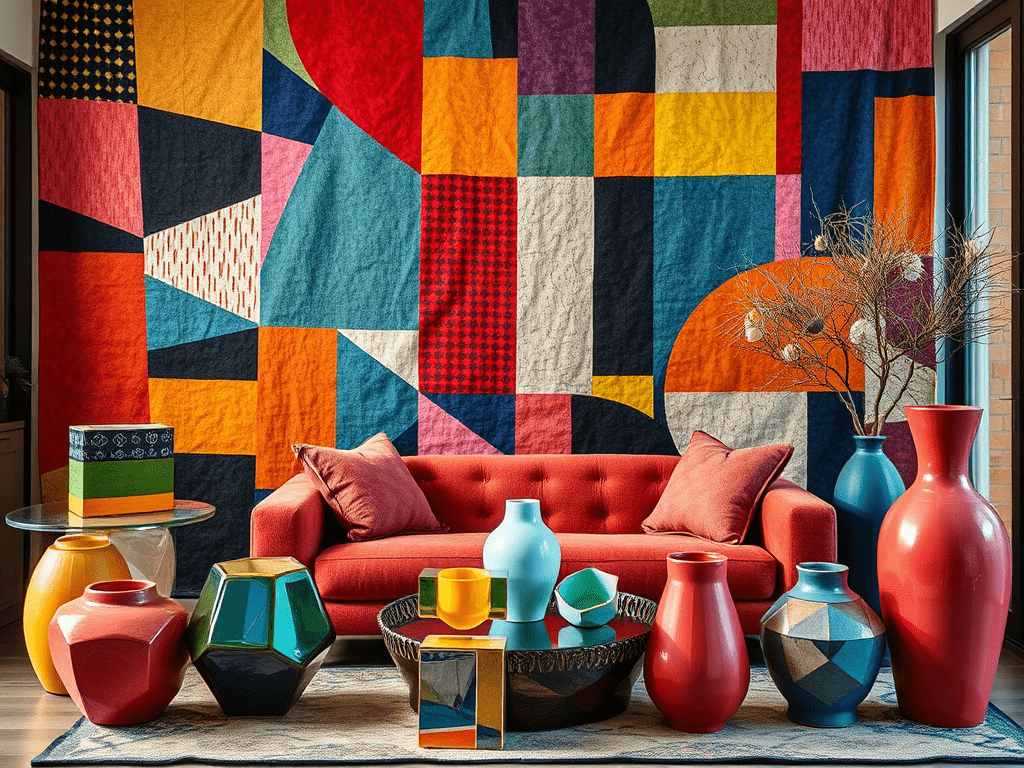
Cubism, a groundbreaking 20th-century art movement pioneered by Pablo Picasso and Georges Braque, transcended traditional perspectives. It deconstructed objects into geometric shapes and presented multiple viewpoints simultaneously. This radical approach to representation reshaped not only the fine arts but also the decorative arts, influencing architecture, furniture, textiles, and ceramics.
Embed from Getty ImagesWhat is Cubism?
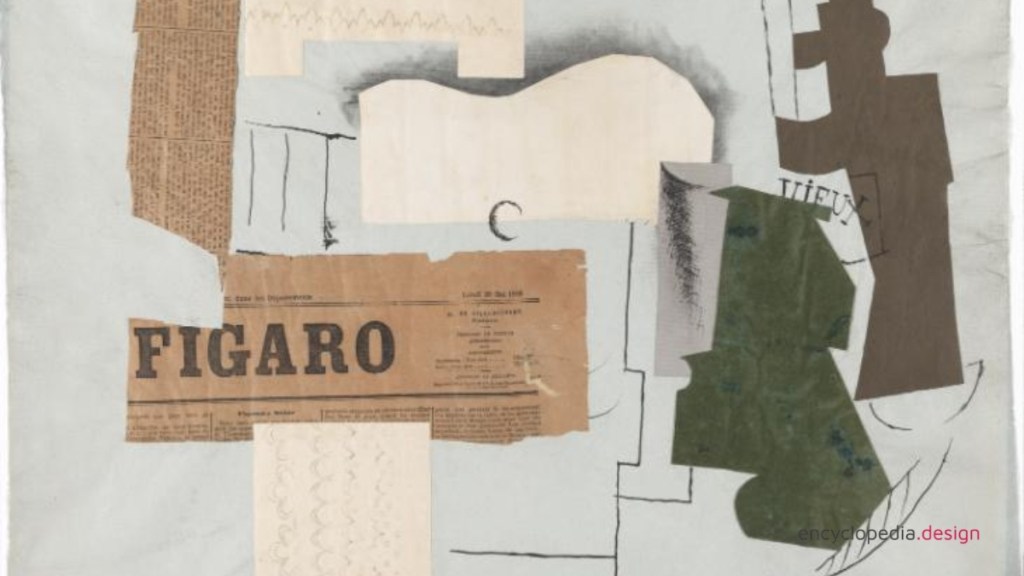
Emerging in the early 1900s, Cubism rejected conventional techniques of perspective and realism. Cubism paved the way for modern art movements like Futurism and Constructivism by fragmenting subjects into geometric components and exploring abstraction. Its two phases—Analytical Cubism (1907-1912) and Synthetic Cubism (1912-1919)—shifted focus from disassembling forms to reassembling them using mixed media and collage techniques.
Cubism’s Entry into Decorative Arts
Cubism’s influence extended to applied and decorative arts, where its bold geometries and abstract forms redefined design aesthetics:
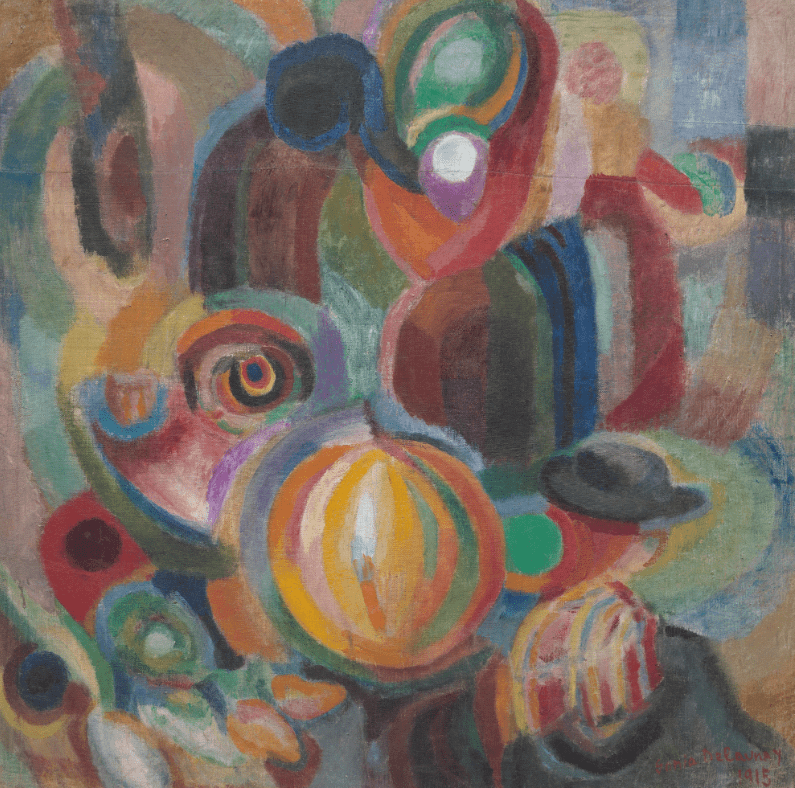
- Textiles: Cubist motifs appeared on fabrics, incorporating overlapping shapes and dynamic patterns that evoked movement and energy. Textile designers like Sonia Delaunay brought Cubist principles to everyday life through bold, colourful prints.
- Furniture Design: Cubism inspired furniture makers to prioritize form over ornamentation, leading to angular, sculptural designs. Pieces often featured clean lines and simplified forms, reflecting the movement’s emphasis on structure and geometry.
- Ceramics and Glassware: Cubism’s fragmented forms and dynamic shapes found expression in ceramics and glassware. Artists used vibrant color blocks and faceted designs to reflect the movement’s aesthetic.
Key Contributors to Cubist Decorative Arts
Sonia Delaunay
As a painter and textile designer, Delaunay integrated Cubist abstraction into clothing and home décor, creating wearable art celebrating geometric patterns and vibrant colours.
René Lalique
A master of Art Deco, Lalique’s Cubist-inspired glass designs often showcased intricate patterns and angular forms, bridging Cubism with the decorative elegance of the Art Deco era.
Le Corbusier
Known for his architectural contributions, Le Corbusier’s furniture designs, such as the LC series, embodied Cubist principles, emphasising functional forms and minimalist aesthetics.
Cubism’s Influence on Modern Movements
Cubism laid the groundwork for Art Deco, Constructivism, and Futurism, influencing both the aesthetic and philosophical approaches to design:
- Art Deco adopted Cubism’s geometric forms, infusing them with luxury and opulence in architecture, jewellery, and interiors.
- Constructivism embraced Cubism’s fragmented forms but aligned them with industrial materials and utilitarian goals.
Notable Exhibitions Showcasing Cubism in Decorative Arts
- The 1925 Exposition Internationale des Arts Décoratifs et Industriels Modernes in Paris highlighted how Cubist ideas informed Art Deco’s aesthetic sensibilities.
- Museum Exhibits: Retrospectives in institutions like MoMA have demonstrated the symbiotic relationship between Cubist art and design.
Legacy of Cubism in Decorative Arts
Cubism’s enduring legacy lies in its challenge to traditional notions of beauty and representation. By emphasizing abstraction and geometric exploration, it reshaped design paradigms, influencing contemporary architectural, interior, and industrial design trends.
Related Articles
Discover more from Encyclopedia of Design
Subscribe to get the latest posts sent to your email.