Historical Context: The Moorish Influence
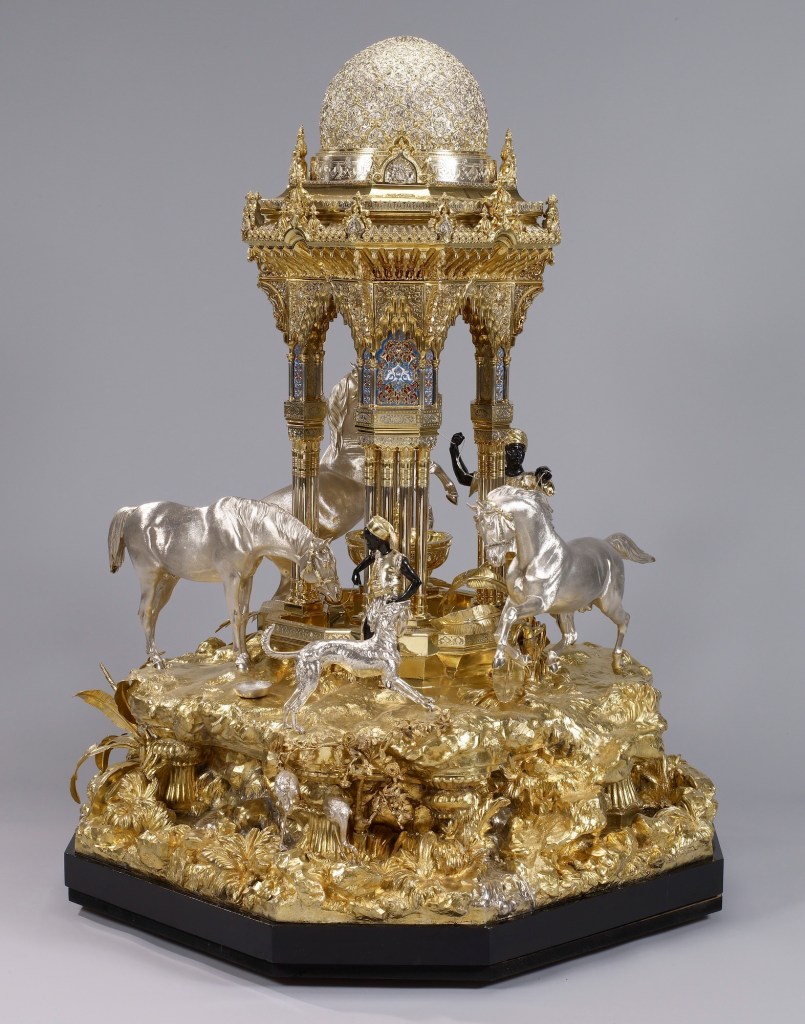
The Alhambra Table Fountain, created between 1852 and 1853, is a remarkable example of the fusion of Moorish artistic traditions with Victorian-era sensibilities. Moorish art, originating from the medieval Islamic period in Spain, particularly in Granada, is characterised by its intricate geometric patterns, vibrant colours, and detailed craftsmanship. This period was a melting pot of cultures, where Islamic, Christian, and Jewish influences intermingled, giving rise to unique artistic expressions.
Design Aesthetics: A Shrine of Opulence
At the heart of this masterpiece lies the representation of a Moorish pavilion. The dome, adorned with exquisite champlevé enamelling, illustrates the high precision and artistry prevalent during this era. Champlevé, a technique of enamelling in which troughs or cells are carved into a metal object and filled with vitreous enamel, was a popular method to create vibrant, enduring colour schemes in decorative arts.
The leafy base upon which the pavilion rests adds a naturalistic element, juxtaposing the architectural precision of the dome. This contrast highlights the Victorian era’s fascination with nature and its integration into the design.
Symbolic Representation: Horses and Figures
A striking feature of the Alhambra Table Fountain includes three Arab horses and their Arabian attendant, alongside an African boy with a dog. These figures are not mere decorative elements; they symbolise Queen Victoria’s political and cultural connections. The Arab horses and gifts to the Queen signify diplomatic relations and the global reach of the British Empire during the Victorian era.
Flora and Fauna: The Natural World in Metalwork
Lower on the base, flamingos, a vulture, and plants indigenous to Arabia further the narrative of cultural diversity and ecological awareness. This choice of fauna and flora serves as a reminder of the natural world’s importance in Victorian art, a theme often revisited in the period’s decorative arts.
Scent of Royalty: The Rosewater Fountain
The fountain’s ability to spurt scented rosewater, hence its nickname ‘The Fountain Temple,’ adds a sensory experience to its visual grandeur. This feature was a display of opulence and an embodiment of the Victorian era’s fascination with the exotic and the sensory.
Legacy and Exhibitions: A Journey Through Time
The Alhambra Table Fountain’s journey from the Dublin Industrial Exhibition in 1853 to its current home in the Royal Collection is a testament to its enduring appeal. Its display at significant exhibitions, including the London International Exhibition of 1862 and the Victoria and Albert Museum Centenary Exhibition of 1962, underscores its historical and artistic significance.
Sources
Newman, H. (2000). An illustrated dictionary of silverware. Thames & Hudson.
More on Design History
Pinchbeck: The Imitation Gold That Shaped 18th-Century Decorative Arts
Pinchbeck brooch, c. 1750, is an alloy of copper and zinc developed by Christopher Pinchbeck, offering a gold-like appearance that became popular for affordable fashion.
Keep reading
Lindy Airplane (Toy)
The Lindy Airplane, produced by Hubley in the late 1920s, celebrated Charles Lindbergh’s historic flight, reflecting the era’s fascination with aviation and heroism in toy form.
Keep readingLion Period (c. 1720s–1730s)
The Lion Period in early 18th-century England, notably in the 1720s and 1730s, showcased lion motifs in furniture, symbolizing strength and reflecting Baroque and Georgian influences.
Keep reading
Reflections of Refinement: The Evolution of the Mirror in Decorative Arts
The evolution of mirrors reflects technological and aesthetic advancements from polished metals to glass, becoming luxury items central to interior design throughout history.
Keep reading
Ric Gath: The Reluctant Revolutionary of Surf Safety
Ric Gath, an Australian surfer-inventor, created the first surf-specific helmet in 1989, redefining surf safety and leaving a lasting legacy in protective design, despite industry resistance.
Keep reading
The Allure of Agate: History and Modern Uses
The agate cup in the V&A Museum illustrates the stone’s historical significance in art. Valued for beauty and versatility, agate inspires modern and traditional designs alike.
Keep reading
International Exhibitions of the Victorian Period: Tastemakers of the 19th Century
Victorian exhibitions showcased industrial and artistic achievements, influencing global design trends, public taste, and cultural values, while paving the way for future world fairs and museums.
Keep reading
Exploring Italian Gothic Design: Art and Architecture
Italian Gothic architecture, flourishing from the 12th to 16th centuries, blends Northern influences with classical heritage, showcasing elaborate façades, functional furniture, and intricate decorative arts.
Keep reading
The Hoosier Kitchen Cabinet: Revolutionizing the American Kitchen
The Hoosier Kitchen Cabinet revolutionized early 20th-century kitchen efficiency, empowering homemakers and becoming a beloved vintage design icon.
Keep reading
Acella Curtains: A Mid-Century Modern Statement in Textile Design
The 1961 advertisement for Acella curtains highlighted their synthetic material, bold geometric patterns, and vibrant colors, embodying mid-century modern design for contemporary interiors.
Keep reading
Exploring Lampblack in Decorative Arts
Lampblack powder, derived from soot, is a versatile black pigment widely used in inks, paints, calligraphy, and various decorative arts throughout history.
Keep reading
The Legacy of Aladdin Kerosene Lamps: Innovation and Collectibility
Aladdin lamps, innovated by Victor Johnson, revolutionized kerosene lighting with superior brightness and efficiency, becoming collectable treasures noted for their vibrant glass designs and historical significance.
Keep reading
The Tarot: A Pictorial Journey in the Applied and Decorative Arts
The Tarot, a historical artistic and divinatory tool, blends pictorial design, symbolism, and craftsmanship, evolving through centuries while inspiring contemporary artistic expressions and storytelling.
Keep reading
The Wasmuth Edition: Frank Lloyd Wright’s Architectural Magnum Opus
The Wasmuth Portfolio, published in 1910, introduced Frank Lloyd Wright’s influential designs to Europe, significantly impacting modernist architecture and inspiring future architects.
Keep reading
Elegant Living with ILSE Furniture – The Essence of 1960s Modernism
ILSE Möbel, a notable 1960s German furniture manufacturer, combined quality craftsmanship and modernist design, creating iconic coffee tables and versatile pieces that remain timeless and influential.
Keep reading
Pye Model CS17: A Mid-Century Masterpiece by Robin Day
The Pye Model CS17, designed by Robin Day in 1956, showcased modern aesthetics and functionality, influencing mid-century design and becoming a celebrated classic in British electronics.
Keep reading
The Fagus-Werk Sofa by Walter Gropius: A Bauhaus Masterpiece
The Fagus-Werk Sofa, designed by Walter Gropius in 1911, embodies Bauhaus principles through its minimalist design, functional form, and lasting impact on modern furniture aesthetics.
Keep reading
56 Ecclesiastical Art and Vestments Terms and Definitions
The content outlines various ecclesiastical vestments, sacred vessels, and art used in Christian traditions, detailing their functions and significance in religious ceremonies.
Keep reading
Electroplate and Electroplating: A Revolutionary Manufacturing Process
The evolution of electroplating by Elkington & Co. transformed affordable luxury in 19th-century home goods, enhancing craftsmanship and accessibility while influencing decorative arts production.
Keep reading
Exploring the Legacy of Arthur Heygate Mackmurdo in Design
Arthur Heygate Mackmurdo (1851–1942) was an influential English architect and designer, pivotal in the Arts and Crafts Movement, shaping modern design and Art Nouveau through innovative craftsmanship.
Keep reading
Eurodomus 4: Design Trends of the 1970s
The Gufram booth at Eurodomus 1972 featured Studio 65’s radical designs, including the Bocca sofa, Cactus coatrack, and Attica series, blending pop art with functionality.
Keep reading
Exploring Janus: Symbolism in Architecture and Design
Janus, the Roman god of gates, doorways, transitions, and time, embodies the dual nature of beginnings and endings. His distinctive double-faced representation allowed him to look at the past. It also allowed him to look to the future. This made him an essential figure in Roman religious and civic life. His influence extends beyond mythology…
Keep reading
The Journal of Decorative Art (1881–1937): A Chronicle of Design and Craftsmanship
The Journal of Decorative Art, published from 1881 to 1949, was crucial for decorators, showcasing evolving design movements and techniques, influencing craftsmanship and modern design standards.
Keep reading
The Decorative Folding Screen: A Fusion of Art and Function in Interior Design
Folding screens, originating from ancient China, blend aesthetics and functionality in interior design, evolving into versatile room dividers and artistic statement pieces across cultures.
Keep reading
The Vibrant World of Gaudy Pottery: Dutch, Ironstone, and Welsh
The decorative arts showcase the Gaudy ceramics of the 19th century, highlighting three distinct styles—Gaudy Dutch, Gaudy Ironstone, and Gaudy Welsh—each representing cultural trends and artistic evolution.
Keep reading
Key Features of Scandinavian Modernism
Scandinavian Modernism, emerging post-World War II, emphasizes functionality, natural materials, neutral colors, and light, promoting well-being and timeless design principles for accessible living spaces.
Keep reading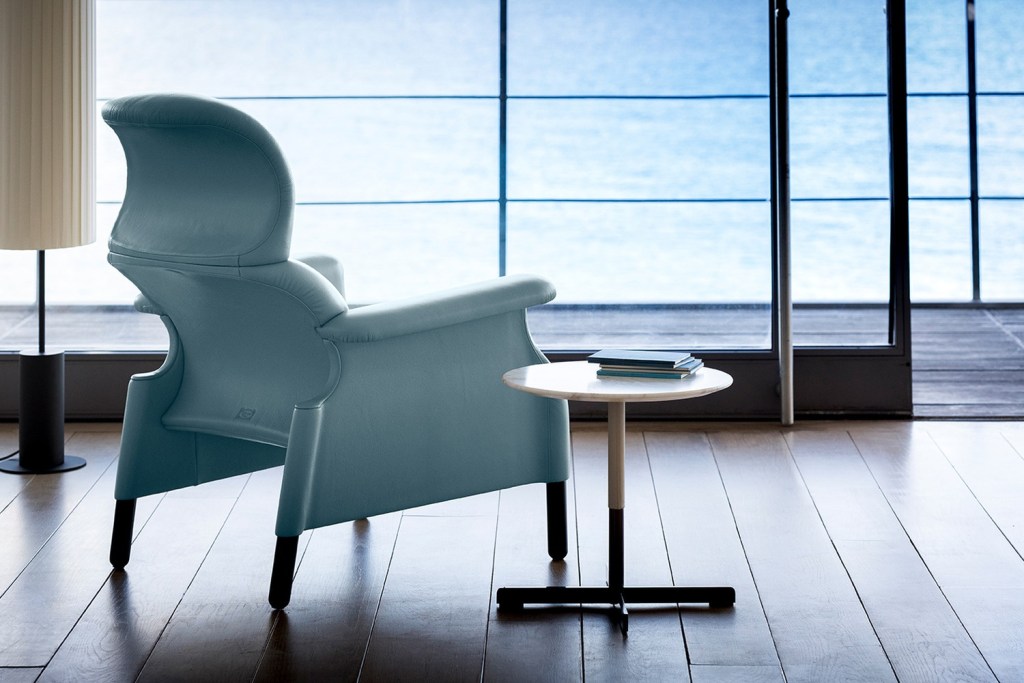
Neo-Liberty: Reviving Craft and Ornamentation in Italian Design
Neo-Liberty emerged in the late 1950s as a reaction against Modernism, emphasizing ornamentation and craftsmanship through iconic designs like the Sanluca and Cavour chairs.
Keep reading
The Evolution of Systems Furniture: Functionality Meets Flexibility
Systems furniture has revolutionised the way we design and utilize interior spaces. Combining modularity, adaptability, and efficiency, this design concept transforms workspaces, homes, and public environments. From its origins in the early 20th century to its contemporary applications, systems furniture has become a cornerstone of modern interior design. What is Systems Furniture? At its core,…
Keep reading
Neoplasticism: The Geometry of Purity in Art and Design
Neoplasticism, founded by Piet Mondrian and Theo van Doesburg in 1917, sought universal visual language through geometric abstraction, primary colors, and a minimalist aesthetic, influencing modern design.
Keep reading
Wild Man Corbel Bracket: A Guardian of the Past
The Wild Man corbel bracket exemplifies medieval timber-framed architecture’s blend of symbolism and functionality, reflecting cultural values and protective beliefs of its time.
Keep reading
The Cult of the Kimono: A Fusion of East and West (1905–1915)
The early 20th century saw Western fascination with the kimono drive cultural exchange, influencing fashion, interior design, and global aesthetics through reinterpretation and adaptation.
Keep reading
The Evolution of American Design Principles
The American Design Ethic combines functionality, innovation, and aesthetics, evolving from colonial craftsmanship to modern streamlined objects, reflecting societal values and cultural integration throughout history.
Keep reading
The Brilliance of Swedish Glass, 1918-1939: An Alliance of Art and Industry
Between 1918 and 1939, Swedish glass emerged as a global design leader, blending artistry and functionality, showcasing innovation, unique techniques, and gaining international acclaim as a celebrated craft.
Keep reading
The Evolution of Vase Design Through Ages
Vase design has evolved from ancient functional objects to artistic masterpieces, reflecting cultural values and technologies, showcasing a journey through various historical styles and movements.
Keep reading
Fauvism and the Decorative Arts: A Vibrant Legacy
Fauvism was a transformative 20th-century art movement known for its bold colors and emotional expression, significantly influencing decorative arts, textiles, and modern design aesthetics.
Keep reading
The Impact of Non-Figurative Arts on Early Twentieth Century Decorative Arts
Non-figurative arts significantly transformed early 20th-century decorative arts by introducing abstract aesthetics, influencing furniture, textiles, and architecture through geometric design and emotional expression.
Keep reading
German Expressionism and Its Impact on the Decorative Arts of the Early 20th Century
German Expressionism, a 20th-century movement, emphasized emotional depth, interdisciplinary integration, and urban life, influencing design through innovative materials and holistic approaches in decorative arts.
Keep reading
Italian Rationalism: The Essence of Modernist Design
Italian Rationalism, emerging in the 1920s-1930s, emphasized logic and functionality in architecture and decorative arts, influencing contemporary minimalist design and prioritizing form and function.
Keep reading
Furniture Design 1940 to the Present in the United States
The evolution of American furniture design since 1940 showcases a shift from traditional craftsmanship to modernism, driven by technology and societal needs, alongside significant educational influences.
Keep reading
How the Great Depression Transformed Decorative Arts
The Great Depression transformed decorative arts through resource scarcity, innovative materials, democratization, and a focus on functionality, shaping modern design principles and accessibility.
Keep reading
Textile History: From Ancient Weaving to Modern Innovations
Textiles have evolved from prehistoric fibers to a dynamic industry, reflecting human ingenuity, cultural exchange, and technological advancements throughout history, shaping economies and societies.
Keep reading
Danish Functionalism: A Harmonious Blend of Function and Form
Danish Functionalism is a design philosophy prioritizing practicality and aesthetics emerging in the early 20th century, emphasizing simplicity, usability, and high-quality craftsmanship for all.
Keep reading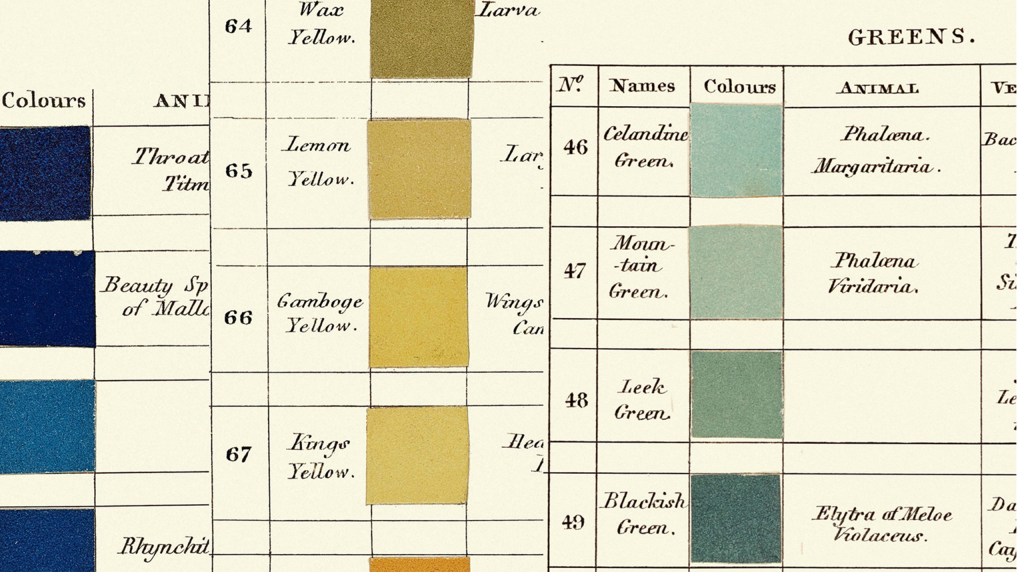
The Impact of Werner’s Nomenclature on Design
Werner’s Nomenclature of Colours, published in 1814, standardized colour classification using nature, influencing 19th-century science and art, and paving the way for modern colour systems.
Keep reading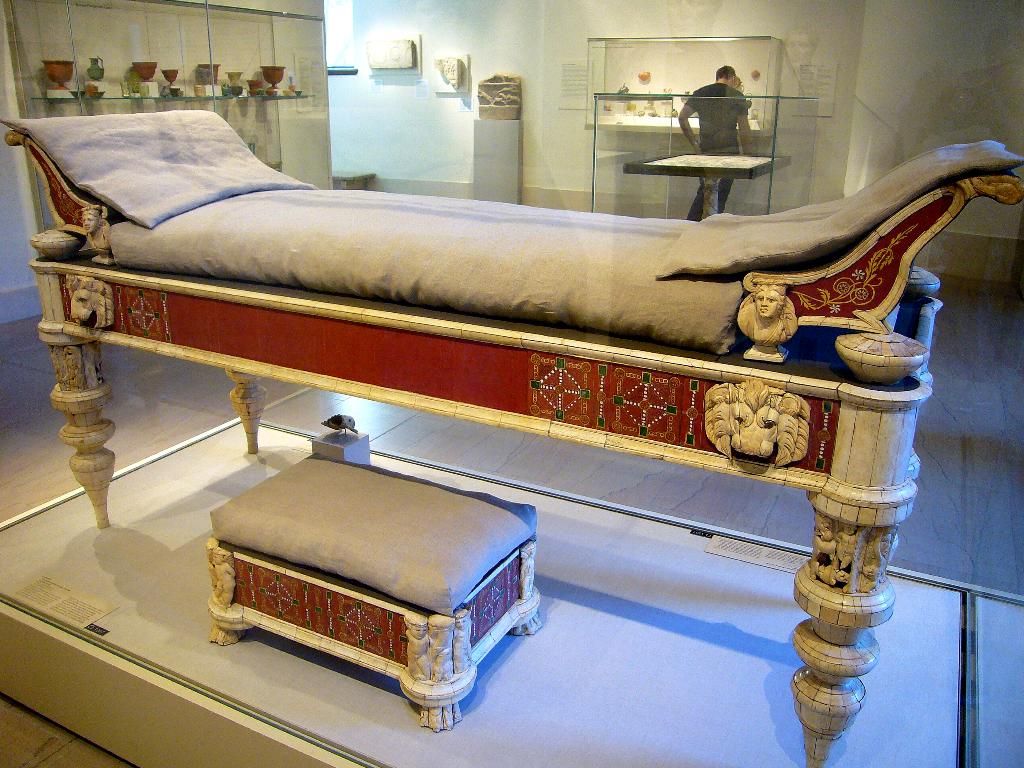
Roman Lectus: The Ancient Couch That Defined Luxury & Modern Design
The lectus was a multifunctional Roman furniture piece, evolving from the Greek klinē, featuring comforts like headrests, ornamentation, and resembling modern couches in design.
Keep reading
Exploring Purity Symbols in Decorative Arts
Decorative arts symbolize purity and chastity across cultures through floral motifs like lilies and lotuses, animal symbols like unicorns, architectural elements, and color symbolism.
Keep reading
Exploring Loudon’s Comprehensive Furniture Designs
John Claudius Loudon, a Scottish horticulturist, greatly influenced 19th-century design through his comprehensive 1833 encyclopaedia, highlighting vernacular architecture and practical furniture design.
Keep reading
Impact of the McKinley Tariff Act on Decorative Arts
The McKinley Tariff Act transformed decorative arts by promoting awareness of national styles, inspiring imitation, enhancing craftsmanship, boosting the American Arts and Crafts Movement, and fostering cross-cultural exchanges.
Keep reading
The Bergère Chair: Evolution of French Comfort and Elegance in Furniture Design
The bergère, a French armchair from Louis XV’s era, combines comfort and elegance. It influenced European furniture design, embodying key design principles and contemporary relevance.
Keep reading
Pedestal Table Example of Neo-Gothic Style
The Neo-Gothic pedestal table from 1840 showcases Romantic medieval influences with distinct Gothic elements, reflecting 19th-century aesthetics and craftsmanship through its intricate design and materials.
Keep reading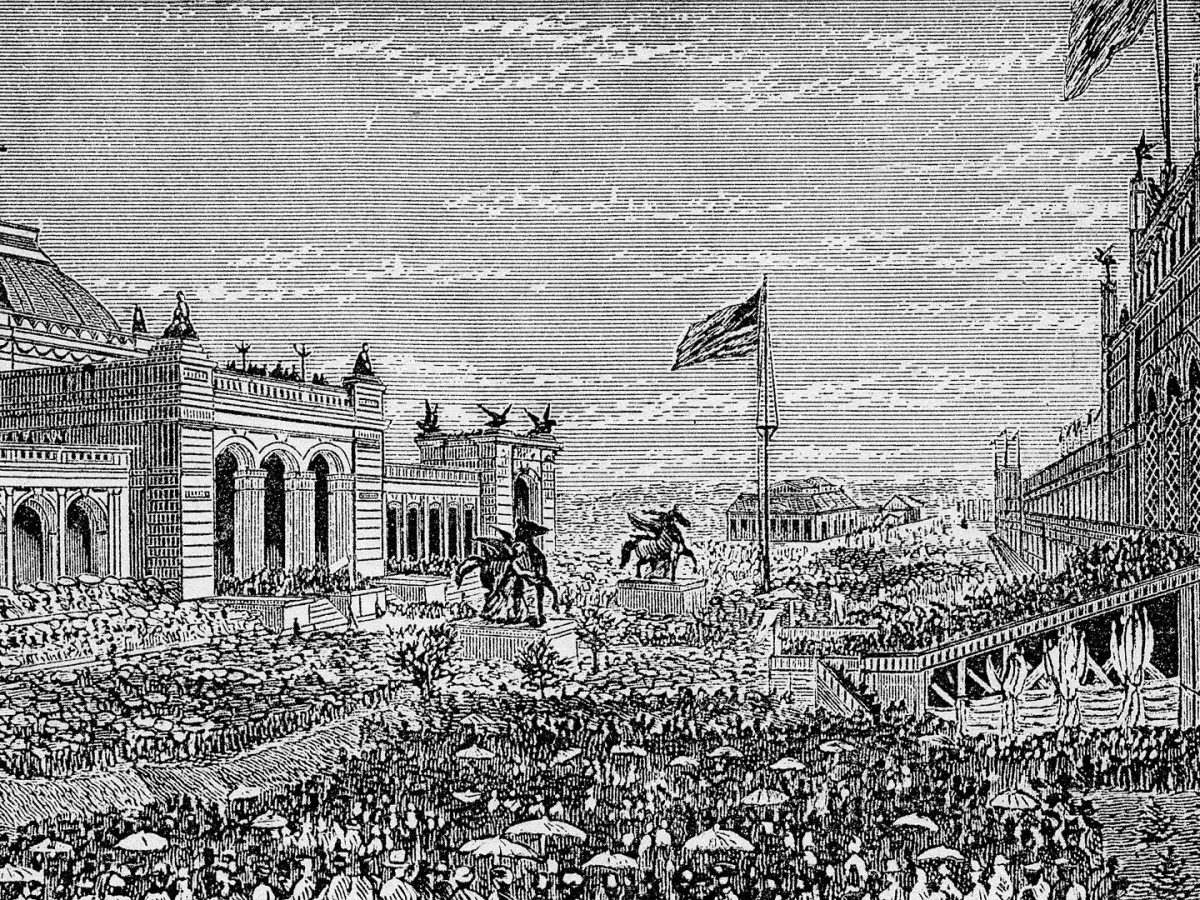
Experiences at the Centennial Exhibition: Chaos and Innovation
The 1876 Centennial Exhibition in Philadelphia marked the first official World’s Fair in the U.S., celebrating American independence with innovations, diverse architecture, and global participation.
Keep reading
Pteridomania: The Victorian Craze for Collecting Ferns
The Victorian obsession with ferns, known as Pteridomania, captivated society, leading to the establishment of ferneries and influencing art, literature, and design before its decline in the 1900s.
Keep reading
The Intersection of Suprematism and Embroidery
Suprematism, pioneered by Kazimir Malevich, integrated geometric abstraction into embroidery, democratizing art while influencing modern design and embodying the fusion of tradition and innovation.
Keep reading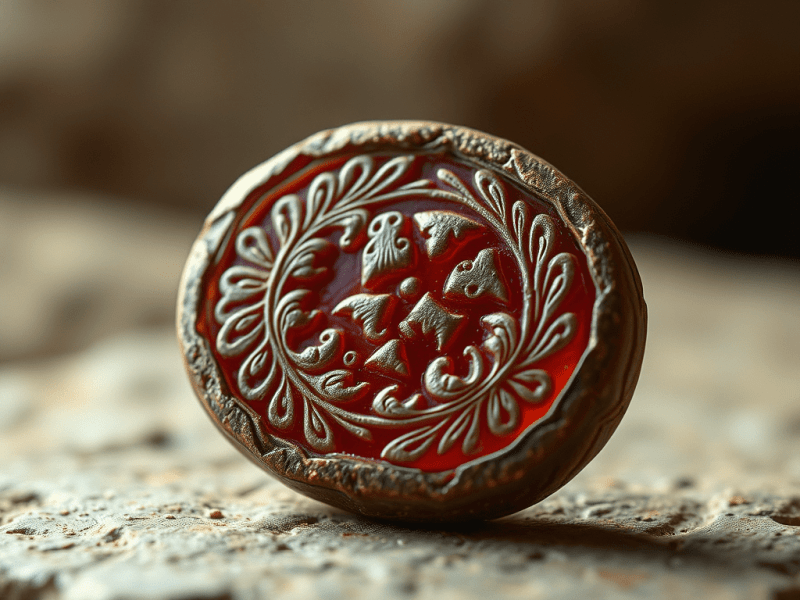
Intaglio: The Ancient Art of Engraving
Intaglio is an ancient engraving technique where designs are carved below the surface, historically used for seals and jewelry, influencing art and craftsmanship today.
Keep reading
The Youthquake: A Cultural Revolution of the 1960s
The 1960s Youthquake was a transformative cultural revolution led by empowered teenagers, redefining fashion, music, and design, and ultimately reshaping societal norms and values.
Keep reading
Skønvirke Style: The Danish Response to Art Nouveau
Skønvirke, Denmark’s unique interpretation of Art Nouveau, emphasizes beauty and functionality in design, influencing various art forms and laying the foundation for modern Scandinavian design principles.
Keep reading
Christian Iconography: Influencing Decorative Arts Worldwide
Christian iconography has influenced art across cultures and time periods. It integrated local elements, spread through folk art, showed complex techniques, embodied symbolism, and reflected gender dynamics.
Keep reading
Urs Graf: A Renaissance Master of Design and Ornamentation
Urs Graf, a Swiss artist of the late 15th century, mastered Gothic and Renaissance styles. His stained glass, book illustrations, and sheath designs left a lasting impact.
Keep reading
1913 Armory Show: The Event That Revolutionized American Art and Design
The 1913 Armory Show in New York City introduced American audiences to European avant-garde art, sparking a shift in American art and design. It influenced modernist principles and later design movements like Bauhaus.
Keep reading
Modernism’s Architectural Vanguard: The Influence of the Der Ring Movement on Decorative Arts
The Der Ring Movement was a 20th-century German avant-garde architectural group that shaped modernism, advocating for functional, minimalist, and socially conscious design principles. It influenced architecture, design, and the decorative arts.
Keep reading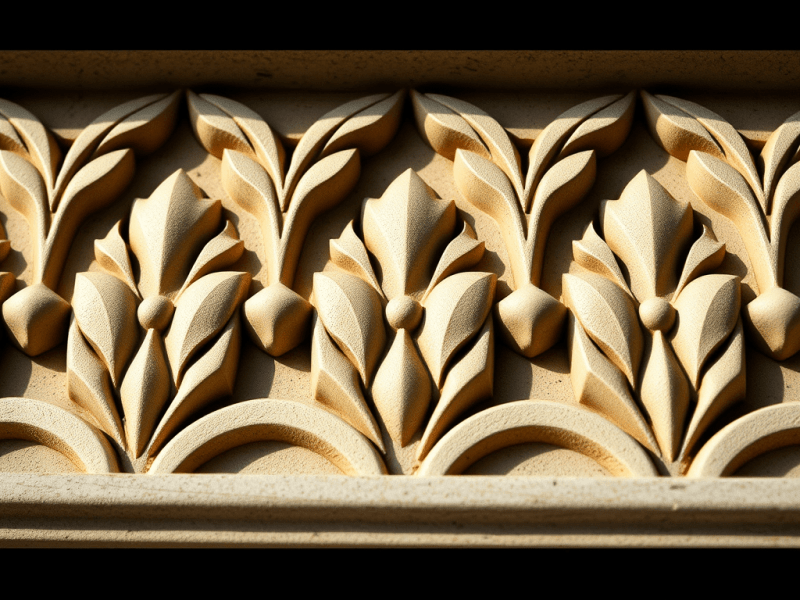
Egg and Tongue: Timeless Patterns in Ancient Architecture
The egg and tongue motif, originating in Greek Ionic architecture, symbolizes life and protection, evolving through Roman to modern designs, demonstrating enduring aesthetic and cultural significance.
Keep reading
Scandinavian Chairs from 1961: Avant-Garde Design and Timeless Appeal
In modern furniture design, Scandinavian stylists have long been at the forefront, setting global aesthetics trends. The year 1961 saw the emergence of several avant-garde chairs from Denmark, exemplifying Danish designers’ innovative spirit and craftsmanship. While some pieces were too extreme for large-scale manufacture and came with a hefty price tag, they nonetheless pointed to…
Keep reading
The Timeless Elegance of the Drop Chair by Arne Jacobsen
The Drop chair, a timeless design icon by Arne Jacobsen, embodies exclusivity, modernity, and comfort. Its relaunch in 2014 maintains its classic appeal for contemporary tastes.
Keep reading
The Impact of the Dutch Golden Age on Applied Arts
The Dutch Golden Age, 17th century, brought economic, cultural, and artistic prosperity to the Dutch Republic, influencing fields like arts and textiles. Rich legacy impacts European art and design.
Keep reading
Exploring Miguel Milá’s Iconic TMC and TMM Lamps
Miguel Milá, a pioneer of contemporary design, is renowned for his timeless, functional creations like the TMC and TMM lamps, earning prestigious awards and international acclaim.
Keep reading
Discover the Elegance of Acajou Moucheté: A Timeless Treasure in Decorative Arts
Acajou Moucheté, a prized mahogany with mottled grain, is used in high-end furniture, veneer, musical instruments, and interior design with a focus on sustainability.
Keep reading
The Aesthetic Movement: A Paradigm Shift in Design and Decorative Arts
The Aesthetic Movement, a British artistic phenomenon from the late 1860s to the 1880s, significantly influenced the decorative arts. This movement, characterized by a pursuit of beauty and the principle of “art for art’s sake,” emerged as a reaction against the Industrial Revolution and Victorian materialism. By exploring its origins, key figures, influence on decorative…
Keep reading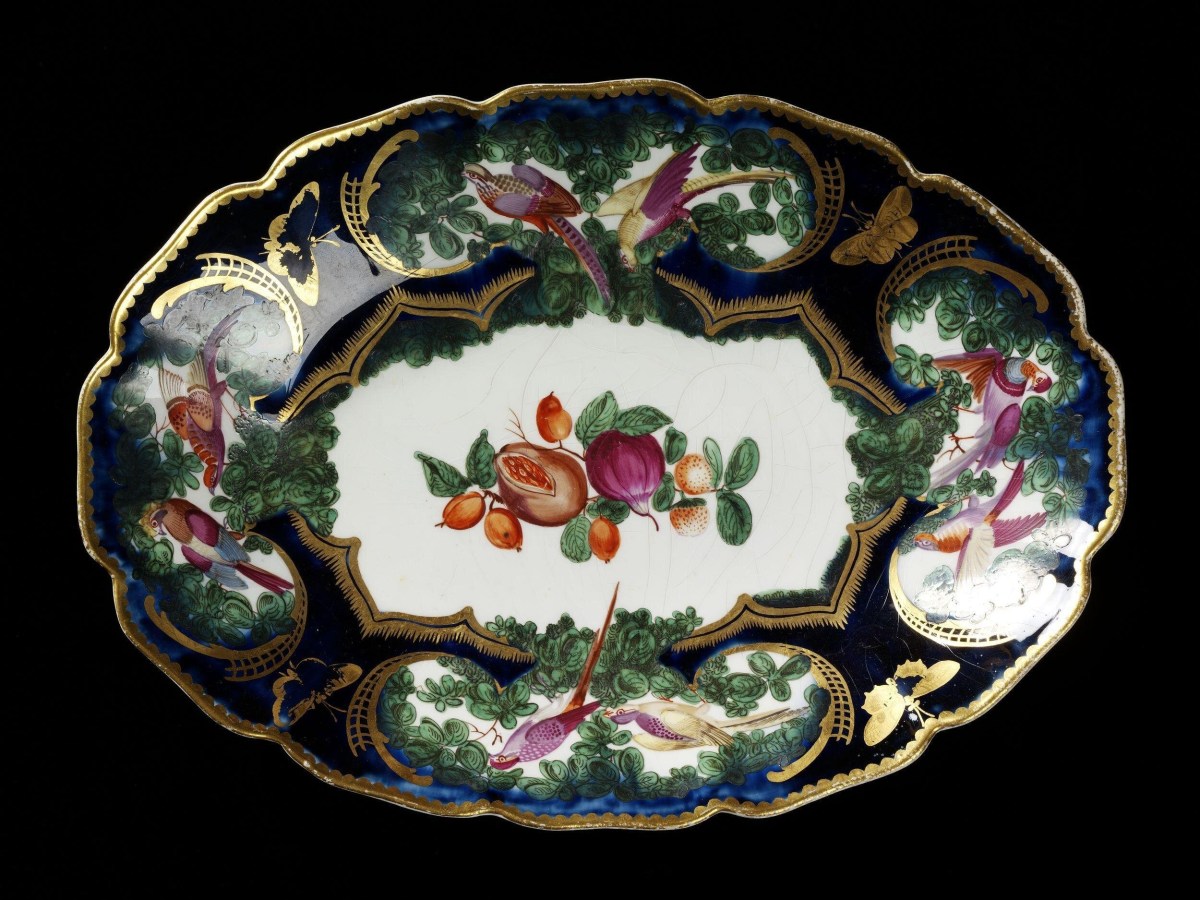
Chelsea Porcelain: Artistic Innovation and Cultural Legacy
Chelsea porcelain, crafted between 1745 and 1770 in Chelsea, England, is renowned for its exquisite beauty and craftsmanship. This porcelain stands out for its intricate designs and rich colours, making it a treasured collectible among art enthusiasts and historians. Historical Context Chelsea porcelain emerged during the mid-18th century, a period marked by a burgeoning interest…
Keep reading
Exploring the Art of Fretwork: An Intricate Decorative Pattern
Fretwork, a geometric decorative pattern, has a rich history in art and design, evolving from ancient civilizations to the Victorian era and remaining a timeless decorative element.
Keep reading
Hafner Ware the Artistic Legacy
Hafner ware, originating in Germany, evolved into decorative stove tiles with intricate designs. Shift to tin glazing enhanced artistic expression and color variety.
Keep reading
Electric Wall Clock by George Nelson: A Mid-Century Marvel
The Electric Wall Clock by George Nelson, 1955, embodies mid-century modern design, featuring minimalist aesthetics, functional elegance, and lasting cultural impact.
Keep reading
Edward Chandler Moore: Influential American Silversmith in the 19th Century
Edward Chandler Moore, an influential 19th-century American silversmith, elevated Tiffany & Co.’s reputation with innovative designs blending Western and Eastern themes. His legacy endures in museums and American silversmithing.
Keep reading
The Art and Craft of Sword Hilts
Sword hilts are intricate, functional artworks reflecting craftsmanship, culture, and history. They evolved significantly from the 16th to 17th centuries, exemplified by the rapier ca. 1590.
Keep reading
Damascus Ware: A Legacy of Historical Craftsmanship
Damascus ware, originating from Syria, showcases intricate inlaid patterns, exotic materials, and remarkable beauty. Its enduring legacy reflects rich cultural heritage and skilled artisanship.
Keep reading
The Hornwick Ewer: A Masterpiece of Medieval Metalwork
The Hornwick Ewer, designed by Erasmus Hornick in 1565, exemplifies advanced medieval metalwork, featuring intricate engravings and a warm aged-brass patina. A 19th-century silver-gilt replica further reflects its enduring influence.
Keep reading
A Collection of Design for Household Furniture by George Smith
George Smith’s influential work, “A Collection of Designs for Household Furniture and Interior Decoration,” captures Regency era’s stylistic preferences and innovations, offering valuable design insight.
Keep reading
The Decorative Value of the 1930s Room Screens
In the 1930s, decorative screens went beyond functionality, reflecting artistic and practical value. Material and design innovations continue to inspire contemporary interior design.
Keep reading
Giacomo Balla Futurist Designer
Giacomo Balla, a vital figure in the Futurist movement, revolutionized art with his dynamic works, blending modernity into applied arts and influencing contemporary Italian design.
Keep reading
Mathias Zündt: Master of Metal and Print
Mathias Zündt, a key figure in the German Renaissance, was known for his detailed engravings and metalwork, influencing future artists. His works are featured in prestigious collections.
Keep reading
Unveiling the Art of Impresa: Emblems of Identity
The Impresa, a Renaissance symbol of personal identity, adorned art and objects, symbolizing virtues and individualism, leaving a rich legacy in decorative arts history.
Keep reading
The Art of Tile: A Journey Through Time and Design
Ceramic tiles, from their Near Eastern origins to modern design trends, hold cultural and artistic significance, influencing decorative arts globally.
Keep reading
Prince Albert: A Renaissance Man in the Victorian Era – Champion of Arts, Sciences, and Design
Prince Albert, husband of Queen Victoria, was a passionate supporter of arts and sciences, influencing significant design initiatives and the 1851 Great Exhibition.
Keep reading
Introduction to the Great Industrial Exhibition of 1853
The 1853 Great Industrial Exhibition in Dublin, Ireland, showcased technological advancements, art, and Irish resources, leaving a lasting impact on the region.
Keep reading
Milan as a Design Mecca
Milan’s design heritage is a result of industrial roots, iconic fashion movements, and creative innovation, shaping the city into a global design leader.
Keep reading
Darmstadt Artists Colony: A Testament to Unity in Art and Craftsmanship
The Darmstadt Artists’ Colony, founded in 1899 by Grand Duke Ernst Ludwig, merged art and functionality, influenced the Arts and Crafts movement, and left a lasting impact.
Keep reading
Utility Furniture: A Testament to Wartime Innovation and Simplicity
The Utility Furniture Scheme, developed during WW2 scarcity, focused on functional, durable, and simple designs. It had a profound impact on British furniture industry.
Keep reading
Unveiling the Elegance of the Art Deco Armchair: A Symbol of 1920s Chicago
Abel Faidy’s 1927 Art Deco armchair embodies modernity with machine aesthetics, geometric forms, vibrant colors, and craftsmanship, symbolizing the innovative spirit of the era.
Keep reading
1937 – Art – Cubism and the Abstract in Museum Display
1937 exhibition at MoMA revisits cubism and abstract art, showcasing their impact on modern artistic expression, bridging tradition and innovation.
Keep reading
The Archaic Smile: A Glimpse into Ancient Well-being and Artistic Expression
The enigmatic Archaic Smile in ancient Greek sculpture offers insights into the culture and technical skill of Archaic Greece. It continues to influence modern decorative arts.
Keep reading
Hector Guimard: The Architect of Enchantment
Hector Guimard, a leading figure in Art Nouveau, pioneered a unique design philosophy and left a lasting impact on public spaces, inspiring contemporary architecture and design.
Keep reading
Korean Wind Chime: A Symphony of Culture and Nature
Korean wind chimes, known as “Punggyeong” (풍경), embody ancient tradition and spiritual significance, featuring intricate designs and materials symbolizing harmony and peace. Today, they remain relevant and cherished.
Keep reading
Elegance Reclined: The Timeless Journey of the Chaise Longue in Design
The chaise longue, or “long chair,” embodies aesthetics, function, and comfort. Its rich history and evolution reflect timeless design and enduring appeal.
Keep reading
Naomi Klein, Journalist and Author – Critic of Consumption Culture
Naomi Klein’s “No Logo” resonates with the design community, echoing past advocates’ social responsibilities. It confronts ethical implications, urging designers towards sustainable practices.
Keep reading
The Ancient Craft of Beetlewing Art
Beetlewing art, originating from South and Southeast Asia, incorporates beetle wings into intricate designs, serving as a symbol of cultural identity. Today, it inspires contemporary fashion and design.
Keep reading
Exploring the Evolution of Art Pottery
Art pottery, emerging in the late 19th century as a reaction to mass production, blends artistic expression and functionality, celebrating individual creativity and craftsmanship.
Keep reading
Introduction to the Empire Style
The Empire Style, influenced by Napoleon’s reign, embodies grandeur and classical inspiration in French art, architecture, and design, leaving a lasting legacy worldwide.
Keep reading
Introduction to Bonkei: The Art of Miniature Landscapes
Bonkei, a Japanese art form, captures nature’s essence using dry materials. Rooted in history, it emphasizes balance, natural beauty, and reflects Zen philosophy. Appreciated globally.
Keep reading
Introduction to American Art Deco: The Fusion of Modernity and Luxury
The blog post explores the influence of American Art Deco, from its Parisian roots to its impact on architecture, design, and entertainment, showcasing its enduring allure.
Keep reading
The Legacy of Stamped Metal Ornamentation: A Journey Through Time
Stamped metal ornamentation, popular since the late 19th century, has evolved in design and production methods. Despite a decline, it is experiencing a modern-day revival.
Keep reading
Discover the Impact of Industrial Design on West German Culture – Book
“The Authority of Everyday Objects” by Paul Betts explores how post-war German industrial design shaped society, reflecting cultural values and influencing societal change.
Keep reading
Georges Cretté: A Luminary in the Art of French Bookbinding
The Genesis of a Bookbinding Maestro Born on June 6, 1893, in Créteil, Georges Cretté emerged as a pivotal figure in the realm of French bookbinding across the 20th century. His journey into the heart of decorative arts commenced at the prestigious École Estienne, where, in 1910, he not only graduated with honors but also…
Keep readingMore design articles
Discover more from Encyclopedia of Design
Subscribe to get the latest posts sent to your email.