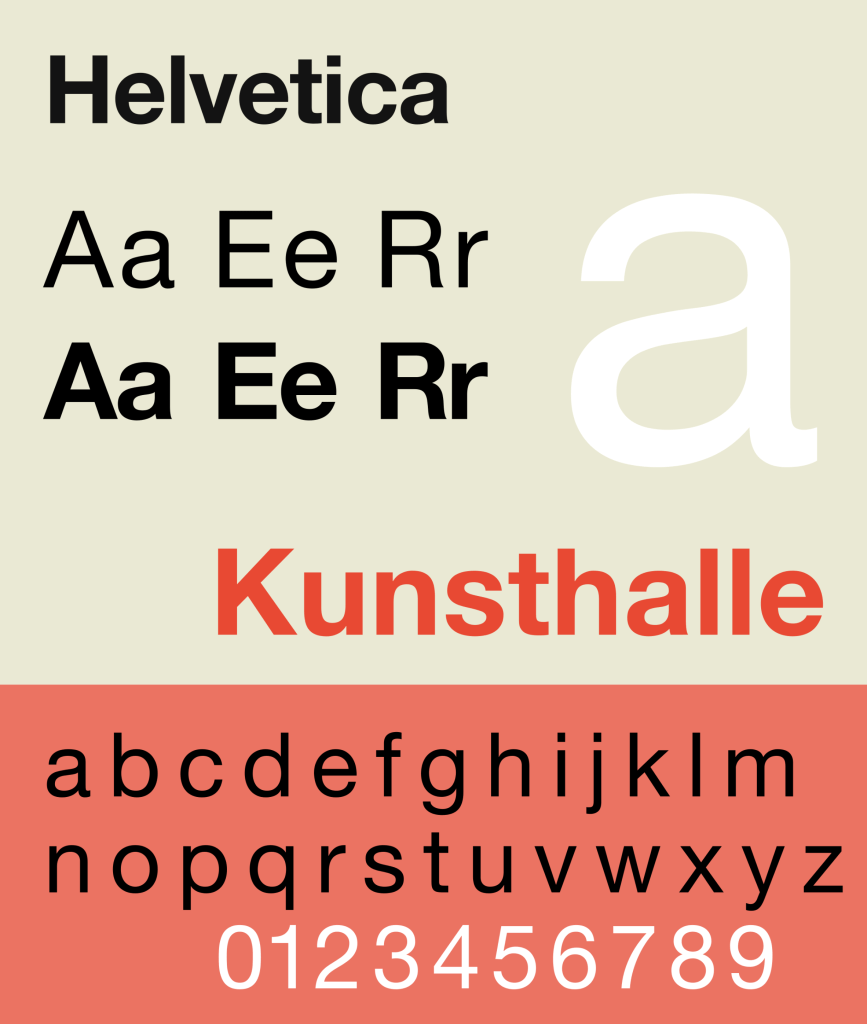
During the 1950s, the Swiss school, the International Typographic Style, emerged as a design movement from Switzerland and Germany. This influential movement lasted for over two decades and focused on achieving objective clarity and visual unity in design. Let’s delve deeper into the characteristics and origins of this iconic style.
Characteristics of the Swiss School
Visual Unity through Asymmetrical Organization: The Swiss school advocated for using a mathematically constructed grid to create a visually unified design. The organization of design elements in an asymmetrical manner allowed for a harmonious arrangement that captured attention and conveyed order.
Objective Photography
Photography played a significant role in the Swiss school’s approach to design. The focus was on capturing images objectively, free from personal bias or manipulation. This approach emphasized presenting visual information clearly and factually.
Clear and Factual Copy: The Swiss school favoured copy that presented information straightforwardly and concisely. Rather than relying on extravagant language or decorative elements, the emphasis was on clarity and effectively presenting facts.
Objective Clarity and Order
The main goal of the Swiss school was to achieve a sense of clarity and order in design. This approach was a departure from more subjective and expressive forms of design. By embracing an objective and scientific approach, the Swiss school aimed to create designs that served a socially useful purpose.
Influence and Roots
The Swiss school drew inspiration from earlier design movements, such as de Stijl, Bauhaus, and the new typography of the 1920s and 1930s. Designers like Théo Ballmer and Max Bill, who studied at the Bauhaus, played vital roles in bridging the gap between earlier constructivist movements and the emergence of the Swiss school.
The Swiss school rejected personal expression and eccentric solutions by defining design as a socially important activity. Instead, they focused on a universal and scientific problem-solving approach, aligning with the progressive spirit of the time.
Continued Influence
The Swiss school’s influence continues to resonate in the world of design. Its legacy can be seen in sans-serif typography, which still conveys a sense of modernity and progressiveness today. Additionally, the idea of using mathematical grids as a means to structure information continues to be a widely adopted principle.
The Swiss school’s dedication to clarity, order, and the social value of design paved the way for future design movements and shaped how we perceive and communicate information visually.
In Conclusion
The Swiss school, also known as the International Typographic Style, left an indelible mark on the design world. With its objective clarity, visual unity, and emphasis on factual presentation, this movement transformed how we approach design problem-solving. Its influence can still be felt today, making it an enduring and significant chapter in applied and decorative arts history.
Additional Reading
Anderson, G., Heller, S. (2016). The Graphic Design Idea Book: Inspiration from 50 Masters. United Kingdom: Laurence King Publishing.
Hollis, R. (2006). Swiss Graphic Design: The Origins and Growth of an International Style, 1920-1965. United Kingdom: Laurence King.
Mitchell, M., Wightman, S. (2017). Typographic Style Handbook. United Kingdom: MacLehose Press.
Tschichold, J. (2006). The New Typography (Weimar and Now: German Cultural Criticism). Berkeley: University of California Press.
More on Graphic Design

Luba Lukova: The Power of Visual Metaphor in Design
Luba Lukova, a New York-based artist from Bulgaria, creates impactful artwork addressing social issues like justice and freedom through minimalist design and visual storytelling.
Keep reading
Alvin Lustig: The Multifaceted Designer of Modernism
Alvin Lustig was a pioneering designer whose multidisciplinary work in graphic design, book covers, and interiors established enduring design principles, influencing contemporary aesthetics.
Keep reading
Swiss Graphic Design and its Impact on Decorative and Applied Arts
Swiss graphic design, rooted in principles like grid systems and minimalism, has profoundly influenced global aesthetics, blending functionality and artistic beauty across various media.
Keep reading
Pierre Gauchat: Pioneer of Swiss Graphic Design
Pierre Gauchat (1902–1956), a Swiss graphic designer, influenced 20th-century design with his clarity and functionality, notable for iconic posters, logos, and initiating design competitions.
Keep reading
Dafi Kühne: Master of Letterpress and Graphic Design
Dafi Kühne is a Swiss poster designer and educator known for blending contemporary design with traditional letterpress techniques, creating innovative works that inspire appreciation for craftsmanship.
Keep reading
Tibor Kalman: Design as a Tool for Social Change
Tibor Kalman, a visionary designer, used graphic design for social activism, challenging norms and sparking social conversations. His legacy inspires socially conscious design.
Keep readingRelated Articles
Discover more from Encyclopedia of Design
Subscribe to get the latest posts sent to your email.