Kaare Klint was an iconic furniture designer, educator and visionary and made his mark on Danish design history.
He was recognised as the father of modern Danish design. He designed icons such as the 1914 Faaborg Chair and 1933 Safari Chairs, as well as the design reception room of the Danish Pavilion at the 1929 Barcelona Exposition.
Germany’s Bauhaus movement greatly influenced the Danes in the early twentieth century. However, they took a different tack, due mainly to designer Kaare Klint. Danish design has a down-to-earth approach. Klint and his fellow architects chose usefulness, whereas the Bauhaus sought aesthetic beauty.
Biography
Klint set-up his own office in Copenhagen in 1920. In 1924, he founded the department of furniture: in 1944 he became the professor of architecture, Det Kongelige Dansk Kunstakademi (Royal Danish Academy of Fine Arts).
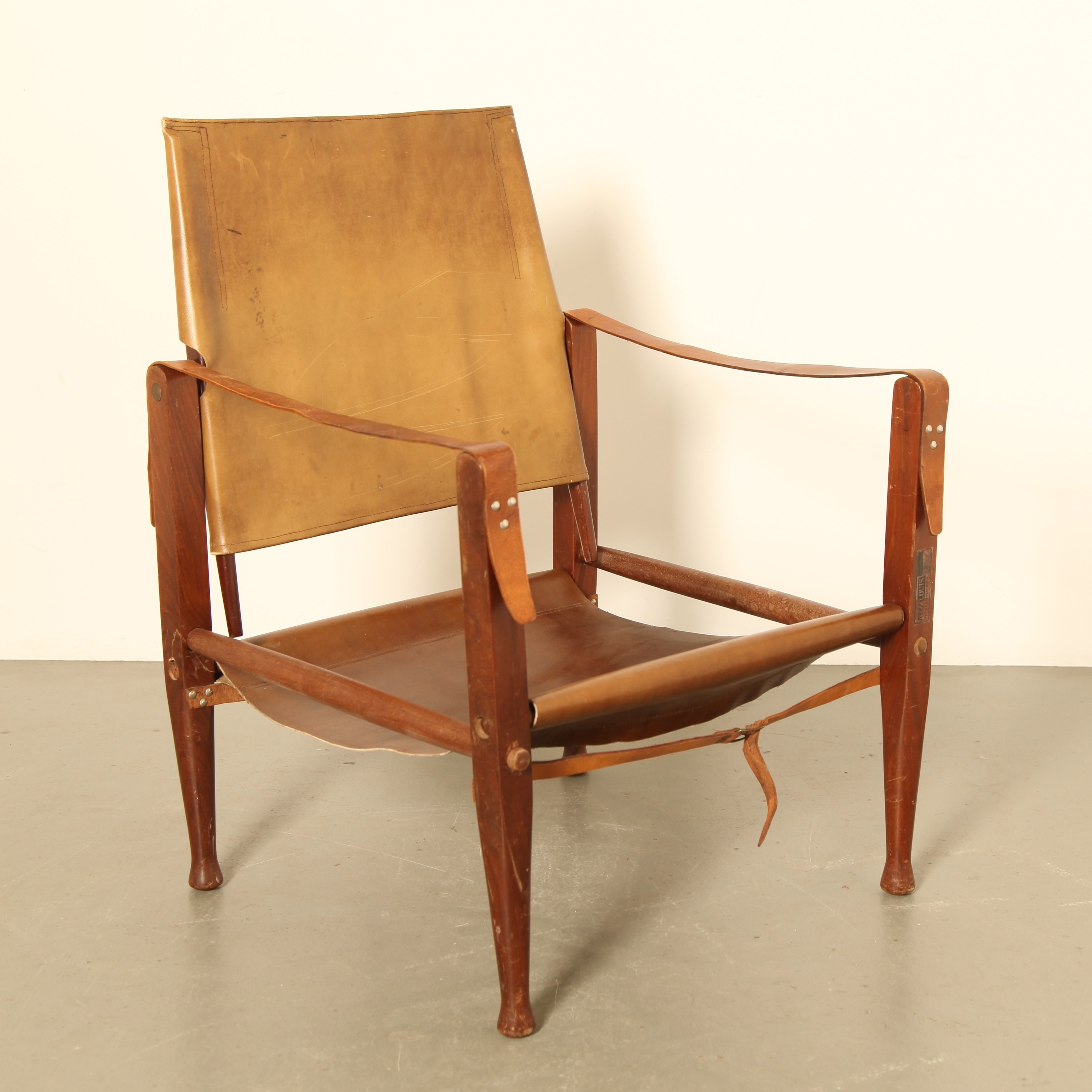
Proportionality of Furniture
In the early part of his career Klint made a number of studies that dealt with the proportionality of man and furniture. While others were occupied with the mystical interpretations of numbers to ensure fine proportions, Klint worked toward and on the premise that each object in a room should have a purpose and fill its place and everything should be determined with reference to man.
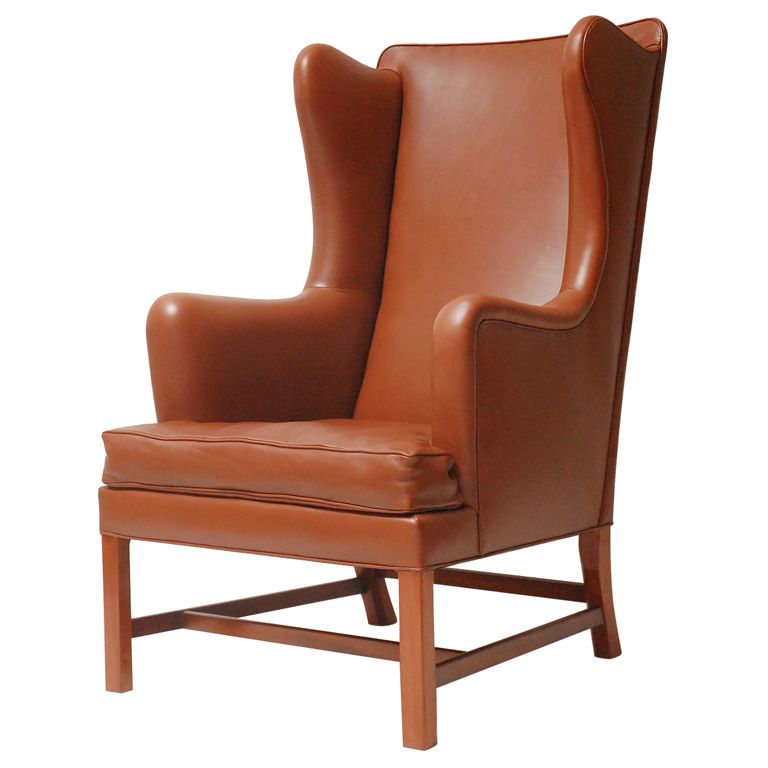
Whereas the Bauhaus students were forbidden to look at historical examples, Klint’s students were ordered to study the existing furniture; collecting examples of former solutions and analysing the results from utilitarian and technical points of view. Thus evolved the Danish approach “form follows function.”

Sources
Byars, M., & Riley, T. (2004). The design encyclopedia. Laurence King Publishing.
You may also be interested in
Børge Mogensen (1914 – 1972) Danish furniture designer – Encyclopedia of Design
Børge Mogensen (1914 – 1972) was a Danish furniture designer. 1936-38, studied Kunsthåndværkerskolen, Copenhagen, and 1938-42, furniture, Det Kongelige Danske Kunstakademi, Copenhagen, under Kaare Klint. Between 1942-50, he was chair of the furniture design department of the Association of Danish Cooperative Wholesale Societies, designing simple utilitarian pieces.
Karen Vibeke Klint – Danish Textile Designer – Encyclopedia of Design
Karen Vibeke Klint was a Danish weaver and textile designer, educated in 1949 from the Arts and Crafts School in Copenhagen. Vibeke Klint has been extremely active in the latter half of the twentieth century, both as a craftsman, designer, teacher. Her artistic work consists mainly of tapestries, blankets, silk fabrics and home textiles.
In Conversation With Nicholas Shurey, The Copenhagen-Based Artist Making Sinuous Wooden Objects – IGNANT
There are so many benefits to using wood in art and design that go beyond visual aesthetics. Wood sequesters carbon dioxide, so its net environmental impact is far lower than other building materials like steel, aluminium, or concrete.
Discover more from Encyclopedia of Design
Subscribe to get the latest posts sent to your email.