Early Career and Recognition
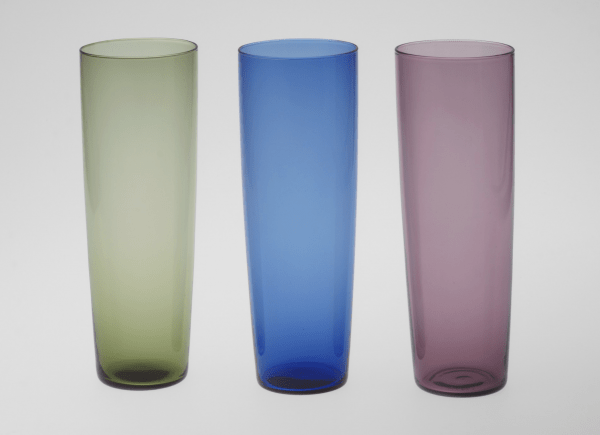
Tapio Wirkkala is widely regarded as one of Finland’s most influential designers. Wirkkala began his career as a sculptor in Helsinki, where he studied from 1933 to 1936. Even though WWII disrupted his early career as a sculptor and graphic designer, he won a glass competition run by the Iittala company in 1946. The same year he won a competition to design banknotes for the Bank of Finland.
Triennale Success
He obtained particular notice at the IX Milan Triennale in 1951, where he won three Grand Prix, a feat he repeated at the X Triennale in 1954, where he won three Grand Prix once more, and the XII Triennale in 1960, where he received a Grand Prix and a Gold Medal. His reputation was cemented in Scandinavia, where he shared the first Lunning Prize for architecture with Hans Wegner in 1951.
Selection of Works


Innovative Designs
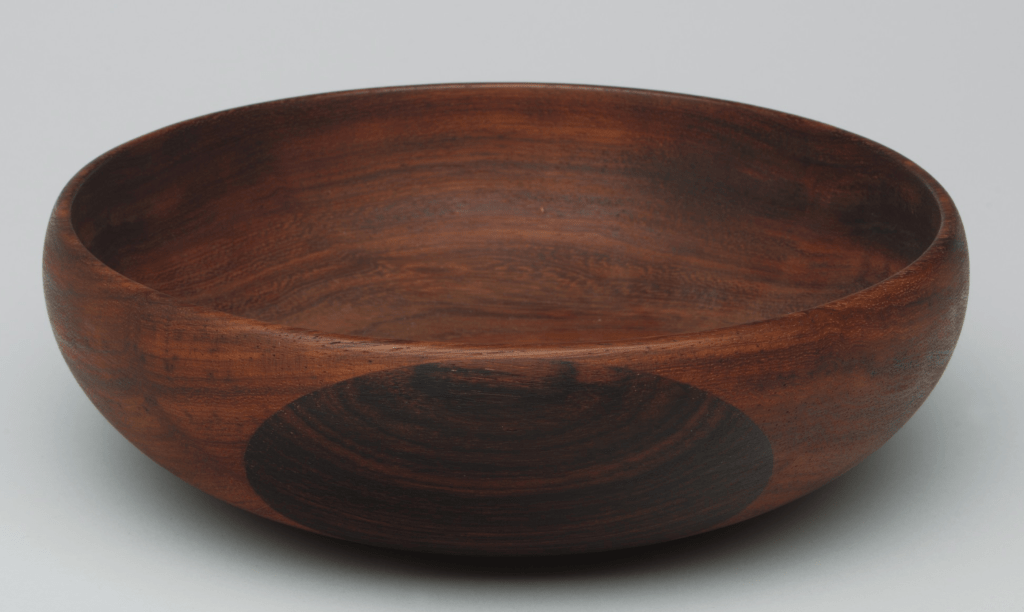
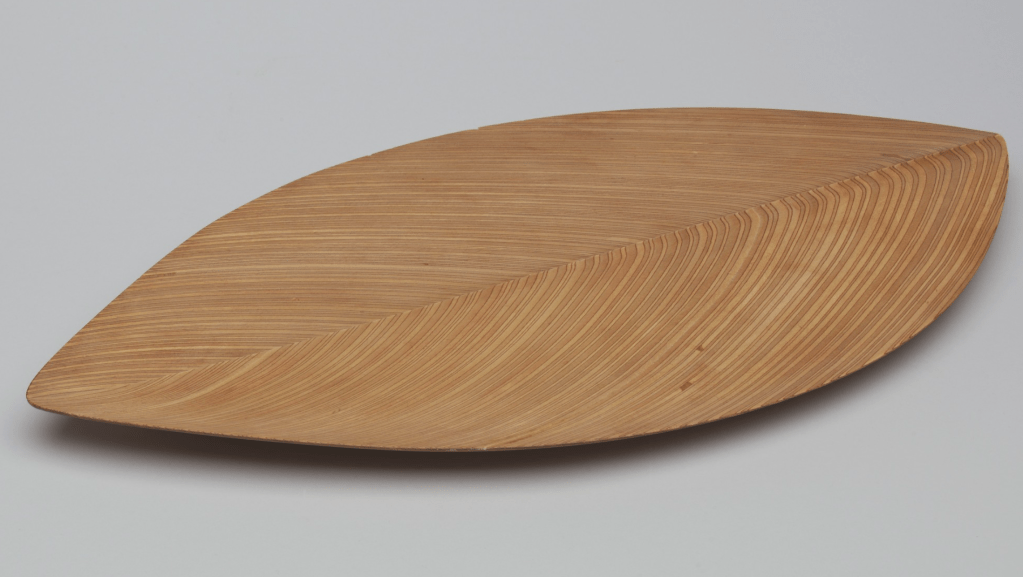
He became well-known in the 1950s for his organic, fluid designs in glass and ceramics, which he first illustrated with his Kantarelli vase series in the 1940s and 1950s. In 1954, he moved to the United States, where he researched American mass manufacturing techniques at Raymond Loewy Associates in New York. His design work encompassed various disciplines, including lighting and cutlery.
Collaborations and Legacy
He worked for the German ceramics company Rosenthal from 1956 until his death and designed for the Venini glass company from the late 1950s onwards. Tapio Wirkkala’s innovative designs and successful collaborations contribute to his enduring legacy in the design field.
Sources
Woodham, J. M. (2006). A dictionary of modern design. Oxford University Press.
More on Finnish Designers

Alvar Aalto’s 100/900 Tea Trolley (1937): A Masterpiece of Functional Elegance
The 100/900 Tea Trolley, designed by Alvar Aalto in 1937, exemplifies Scandinavian modernism with its innovative bentwood design, enhancing aesthetics…
Keep reading
Maija Isola: Pioneer of Finnish Textile Design
Maija Isola, a celebrated Finnish textile designer, created iconic patterns with Marimekko, notably the Unikko poppy, blending nature with abstraction…
Keep reading
Celebrating the Work of Simo Heikkilä: A Finnish Design Icon
Simo Heikkilä, a Finnish designer, blends industrial aesthetics with comfort, notable for his teaching and innovative designs, including the acclaimed…
Keep reading
Birger Kaipiainen: Master of Finnish Ceramics
Birger Kaipiainen, a Finnish ceramic artist, transformed ordinary pottery with whimsical designs and craftsmanship. His legacy endures, influencing collectors and…
Keep reading
Exploring Arabia Finland Pottery: A Design Heritage
Arabia Pottery, established in 1873, is renowned for its exquisite craftsmanship, sustainable practices, and artistic designs, significantly influencing Nordic ceramics…
Keep reading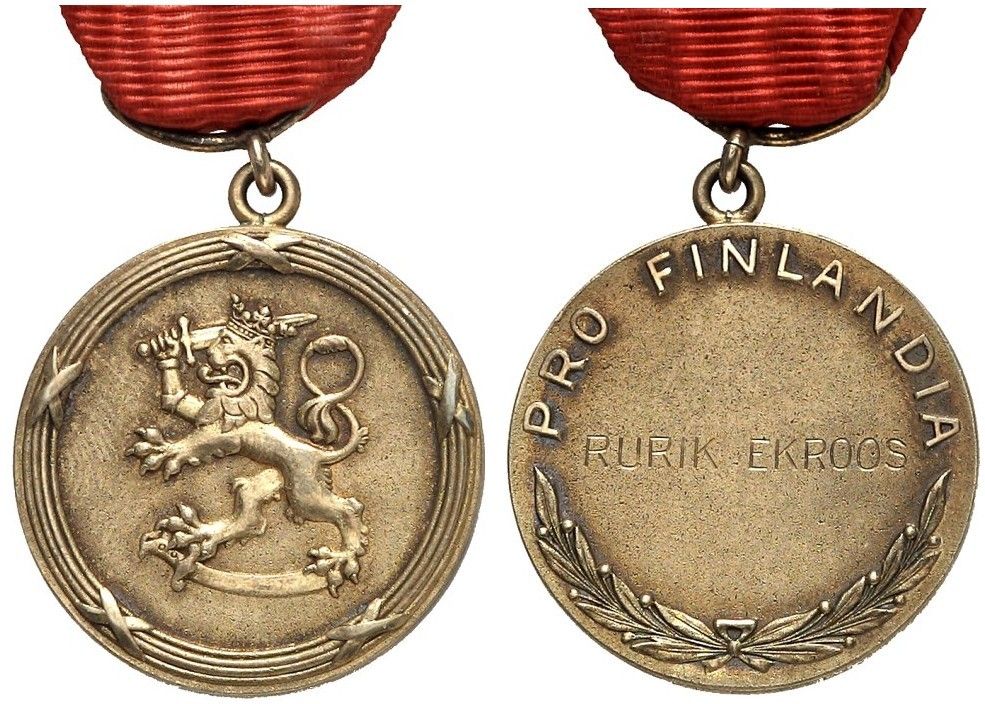
Pro Finlandia – Order of the Lion of Finland
The Pro Finlandia Medal, established in 1943, honors artists and writers for their contributions to Finnish culture, showcasing the nation’s…
Keep reading
Ilmari Tapiovaara: Master of Finnish Design
Ilmari Tapiovaara was a Finnish designer known for functionalist furniture that harmonizes aesthetics and practicality. His influential works include the…
Keep reading
Michael Schilkin: The Renowned Russian Ceramicist
Michael Schilkin, a renowned ceramic artist from Russia, blended folk art with Scandinavian design, creating detailed animal sculptures that continue…
Keep reading
Illuminating Elegance: The Aalto Pendant Light A440
The Aalto Pendant Light A440, a minimalist masterpiece designed by Alvar Aalto in 1954, embodies elegance and functionality with hand-blown…
Keep readingSomething went wrong. Please refresh the page and/or try again.
More design articles
Discover more from Encyclopedia of Design
Subscribe to get the latest posts sent to your email.