This article forms part of the Decorative and Applied Arts Encyclopedia, a master reference hub providing a structured overview of design history, materials, movements, and practitioners.

Weaving is one of humanity’s oldest and most universal art forms. Across continents and cultures, it is both a practical craft and an intensely expressive medium. From vibrant Andean tapestries to the geometric beauty of Scandinavian rya rugs, weaving captures the essence of a people’s history, values, and identity.
In this journey through global weaving traditions, we’ll explore the unique melodies each culture sings through its threads—an ode to the craft’s diversity and cultural significance.
Weaving as a Cultural Expression
Despite their geographical differences, weaving traditions share commonalities. They often use natural materials like wool, cotton, or silk and rely on meticulous handcrafting techniques passed down through generations. Yet, each culture infuses its identity into these threads, transforming them into visual stories reflecting their history, beliefs, and daily life.
Weaving is more than an art form; it’s a universal language. Let’s unravel the stories woven into some of the world’s most iconic textile traditions.
Embed from Getty ImagesAndean Tapestries: Stories of the High Andes
In the Andean highlands of South America, weaving is both a practical and spiritual practice. Using vibrant alpaca and llama wool, artisans craft tapestries that burst with colour and symbolism. These intricate patterns often depict mythology, animals, and the natural landscapes of the Andes.
Traditionally, Andean weaving served as a record of history and beliefs. Today, these techniques endure, blending ancient motifs with modern artistry to preserve their cultural significance.
Embed from Getty ImagesScandinavian Rya Rugs: Warmth and Elegance
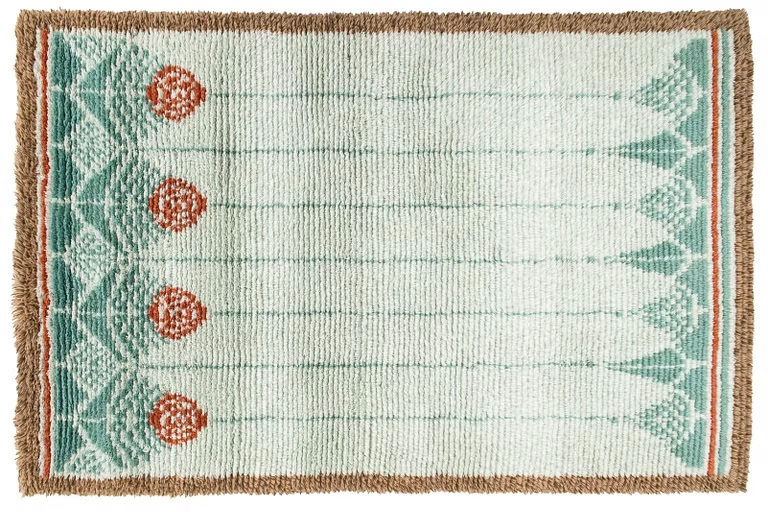
Scandinavia’s long, harsh winters gave rise to the rya rug, initially crafted for warmth and functionality. Over time, these thick-pile rugs evolved into decorative masterpieces featuring geometric patterns and earthy tones that reflect the minimalist Nordic aesthetic.
Modern designers have embraced the rya rug for its timeless appeal, incorporating it into contemporary interiors while honouring its traditional roots.
African Kente Cloth: Royalty in Every Thread
In Ghana, Kente cloth is more than fabric—it is a symbol of identity, pride, and royalty. This handwoven textile is created by sewing together narrow strips of brightly coloured fabric, each pattern carrying philosophical and cultural meaning.
Originally reserved for royalty and sacred ceremonies, Kente has transcended its traditional context to become a powerful symbol of African heritage worldwide.
Embed from Getty ImagesIndian Ikat: A Symphony of Colors
India’s Ikat weaving is renowned for its vibrant patterns and blurred, painterly designs. Created through a labour-intensive tie-dye process applied to individual threads before weaving, Ikat showcases the incredible precision of Indian artisans.
Whether in traditional saris or modern home decor, Ikat is a testament to India’s rich textile heritage and global influence.
Embed from Getty ImagesJapanese Kasuri: A Dance of Precision
Kasuri weaving, developed during Japan’s Edo period, is a study in precision. Artisans meticulously dye individual threads to create sharp, intricate patterns that emerge as the fabric is woven.
These fabrics often feature natural motifs, embodying Japan’s appreciation for harmony and simplicity. From traditional kimonos to contemporary fashion, Kasuri remains a staple of Japanese textile art.
Embed from Getty ImagesNavajo Rugs: The Spirit of the Southwest
For the Navajo people of the American Southwest, weaving is deeply spiritual. Using wool and bold geometric patterns, their rugs reflect a profound connection to nature and storytelling.
Each rug is a masterpiece of colour and symbolism, capturing the Navajo worldview and their enduring connection to the land.
Embed from Getty ImagesContemporary Revival and Adaptation
As these traditions continue to inspire modern designers, weaving is undergoing a renaissance. Eco-conscious artisans are reviving natural dyeing methods and sustainable practices, blending traditional motifs with contemporary aesthetics.
This fusion of past and present keeps the craft alive and introduces new generations to its beauty and significance.
Conclusion: Celebrating Diversity in Threads
Each thread tells a story, and each weave sings a melody. From the mountains of South America to the deserts of the American Southwest, weaving traditions offer a rich tapestry of human history and creativity.
As we celebrate these cultural melodies, let us support the artisans who keep these traditions alive. Whether purchasing handcrafted pieces or simply appreciating their stories, we can help preserve this universal art form for generations to come.
Related Articles
